Articles
Browse all published research articles
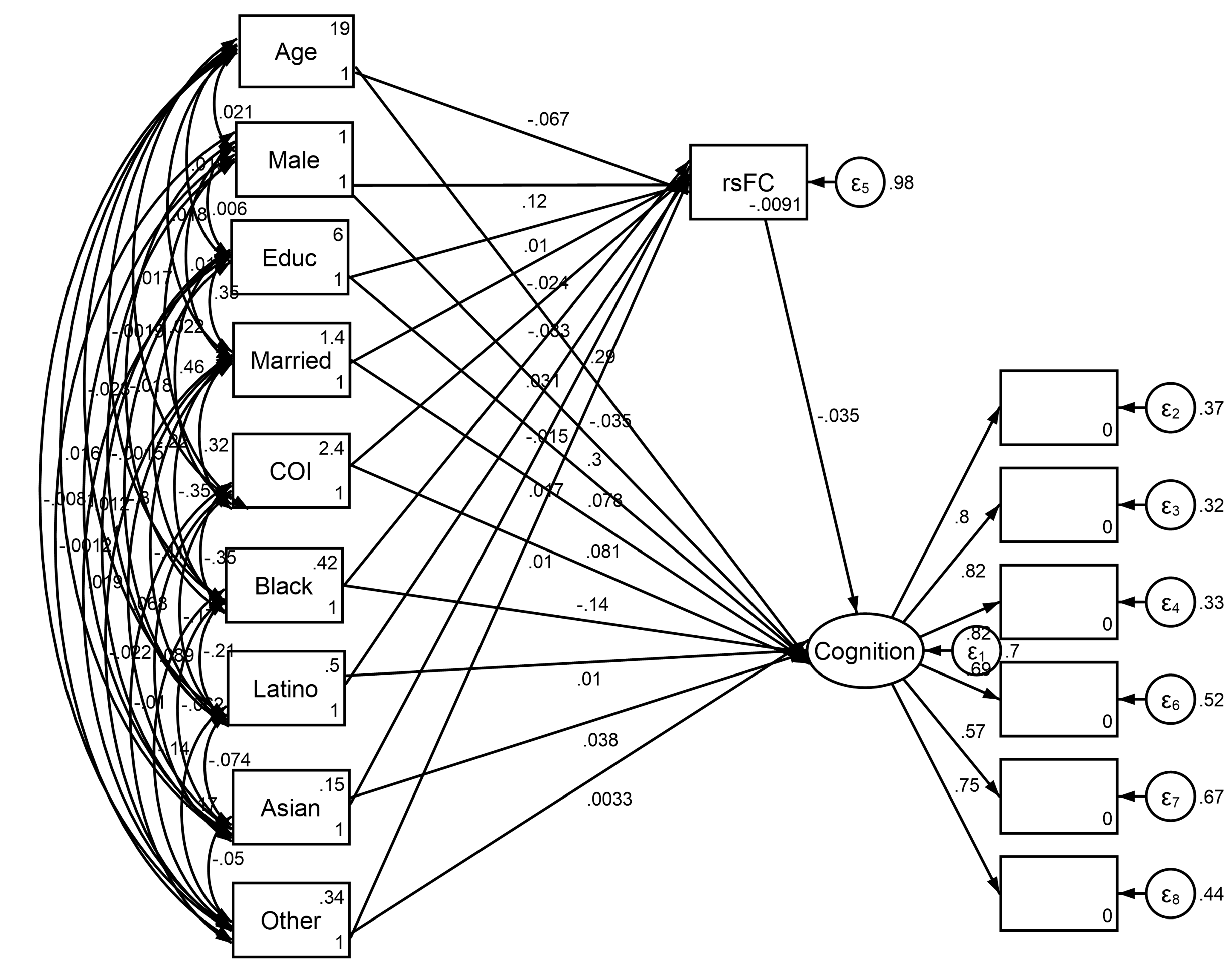
Resting-State Functional Connectivity Between the Cingulo-Opercular and Default Mode Networks May Explain Socioeconomic Inequalities in Cognitive Development
Background: The Cingulo-Opercular Network (CON) is a crucial executive control network involved in regulating actions and facilitating higher-order cognitive processes. Resting-state functiona... Read more
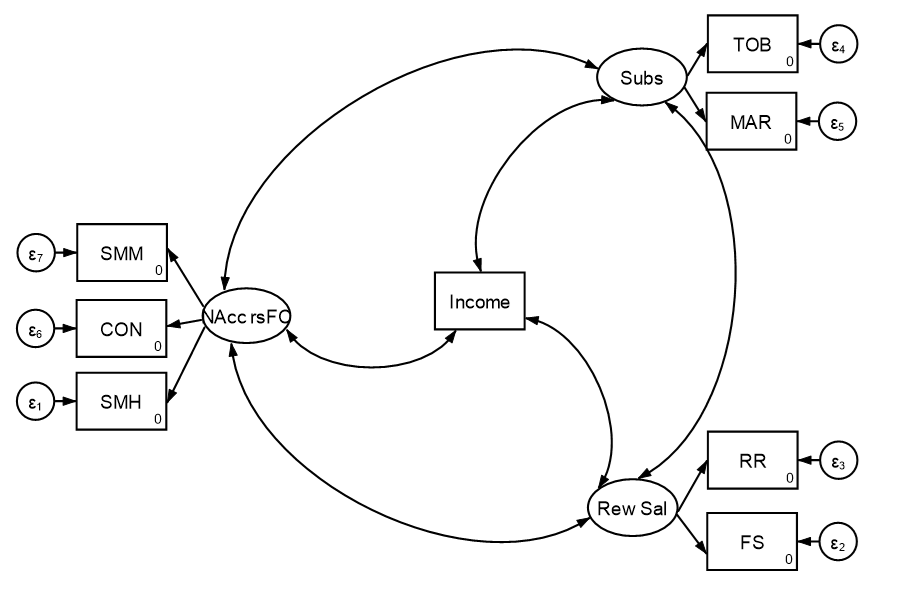
Nucleus Accumbens Resting State Functional Connectivity is Linked to Family Income, Reward Salience, and Substance Use
Background: As a central component of the brain's reward system, nucleus accumbens (NAcc) plays a crucial role in reward salience and substance use behaviors. Changes in the NAcc are also relev... Read more
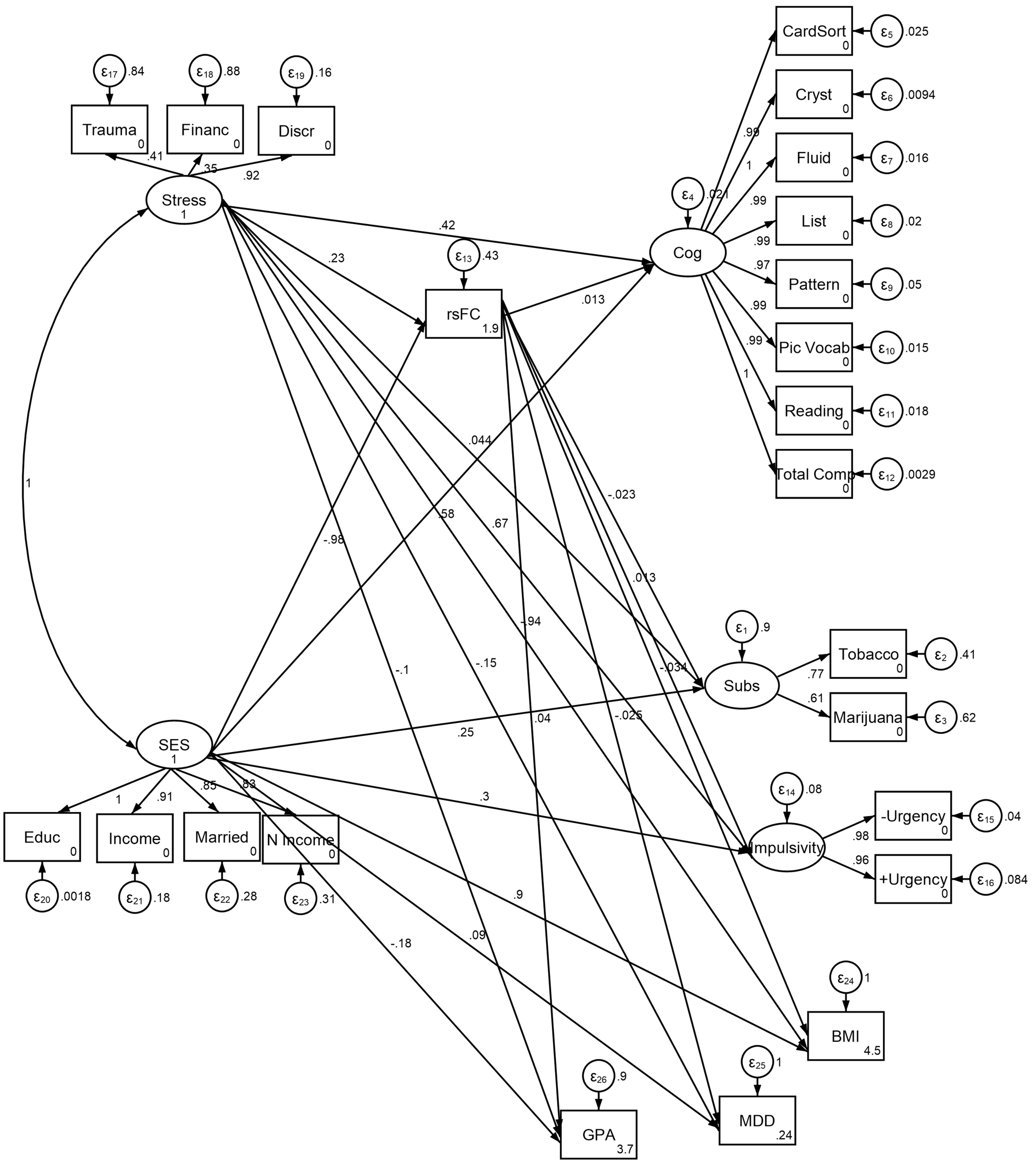
Socioeconomic Status, Trauma, Cognitive Function, Impulsivity, Reward Salience, and Future Substance Use: Role of Left Caudate Connectivity with the Cingulo-Opercular Network
Background: While understanding how corticostriatal connectivity is associated with socioeconomic status (SES), trauma exposure, cognitive function, reward salience, impulsivity, and future sub... Read more
Pallidum Functional Hypoconnectivity and Inhibitory Control as Partial Mediators of Environmental Influences on Tobacco and Marijuana Initiation
Background: Low socioeconomic status (SES) has been linked to higher rates of tobacco and marijuana use initiation; however, the contributions of environmental and neurocognitive factors... Read more
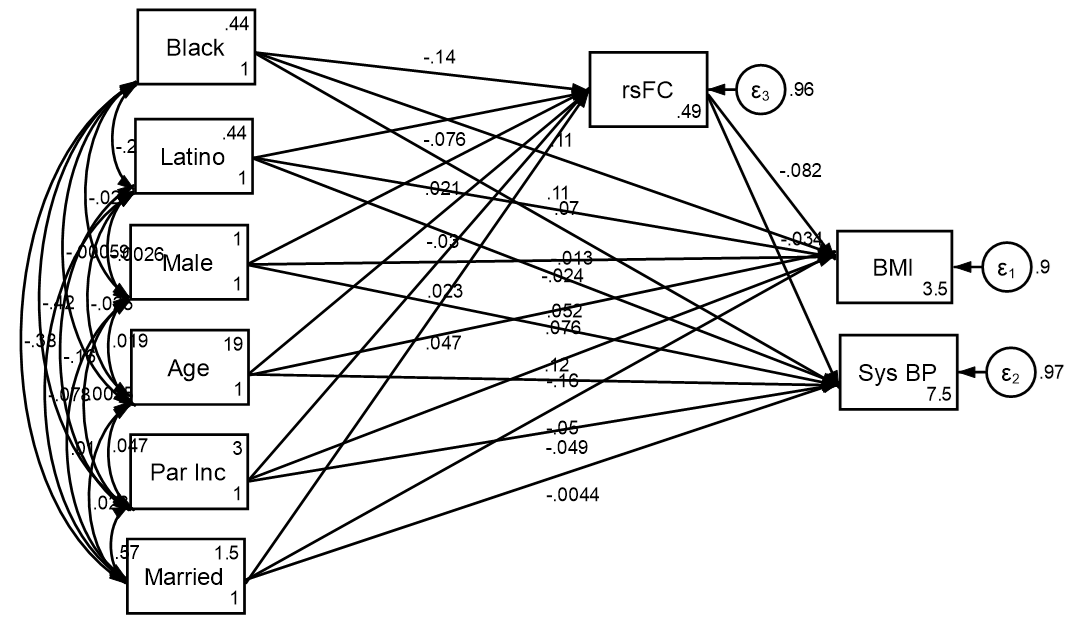
Brain-Wide Resting-State Functional Connectivity Partially Mediates Socioeconomic Disparities in Children's Cardiometabolic Health
Background: Although some neural mechanisms underlying socioeconomic status (SES) disparities are known, the role of brain-wide resting-state functional connectivity in these effects remains le... Read more