Articles
Browse all published research articles
Ventral Attention Network Resting State Functional Connectivity: Psychosocial Correlates among US Adolescents
Background: Resting-state functional MRI (rsfMRI) provides insights into large-scale brain network organization associated with cognitive control, emotion regulation, and attentio... Read more
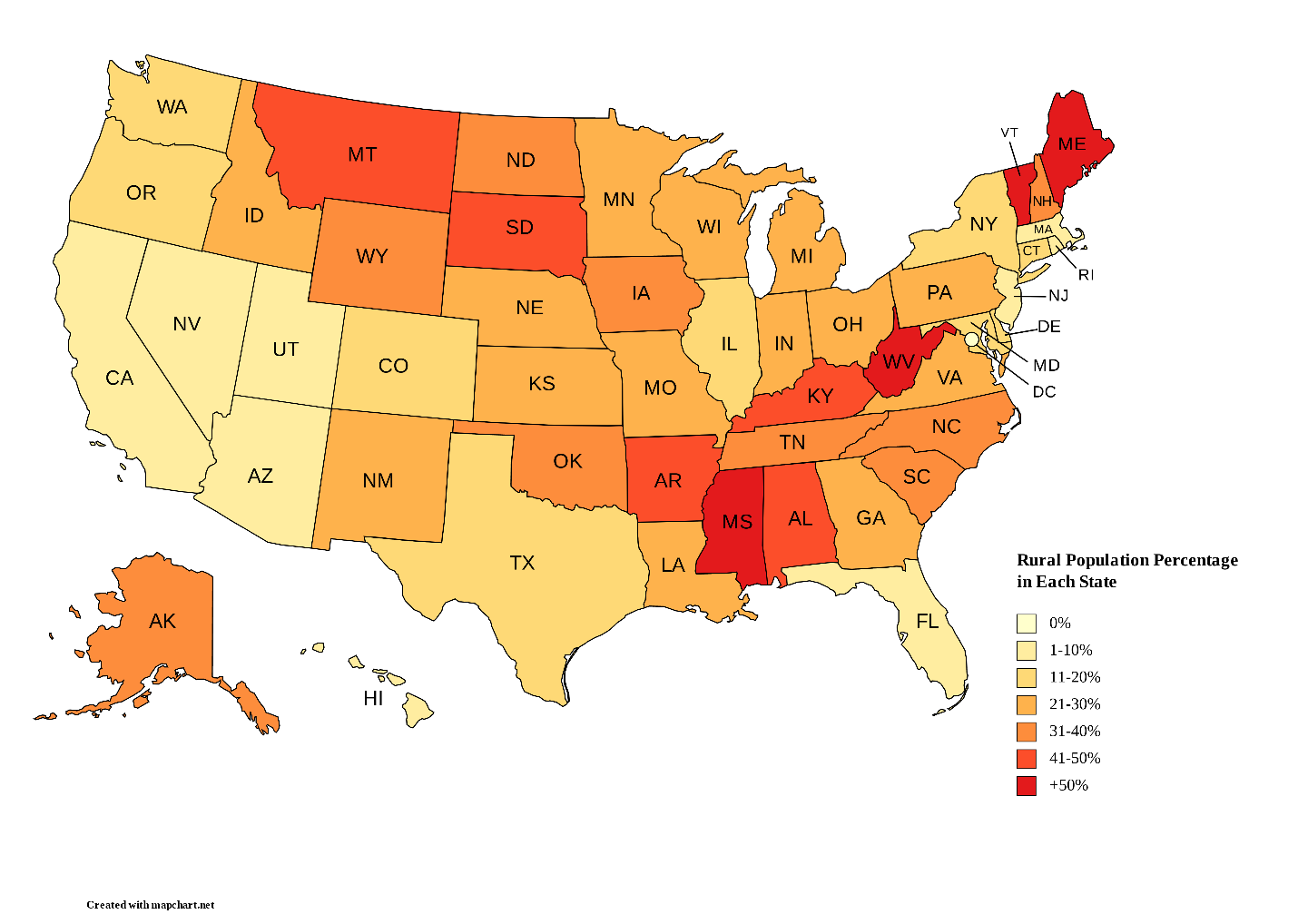
Place-Based Diminished Returns of Economic Resources in Rural America: A Framework for Understanding Geography-Conditioned Inequality
Background: Socioeconomic status (SES) is widely associated with improved health, behavioral, and educational outcomes. However, emerging research suggests that these benefits are not uniformly... Read more
To Be Twice as Good to Get Half
“To Be Twice as Good to Get Half” is a common mindset among high aspiration and ambition Black individuals in the U.S., capturing the lived reality of Minorities’ Diminished Returns (MDRs). This paper... Read more
Color of Poverty Matters: Socioeconomic Resources and Health of Mothers Giving Birth to Children into Poverty
Background: Childhood poverty is a critical determinant of developmental, health, and behavioral outcomes. However, racial and ethnic differences in how families experience and navigate poverty... Read more
Resting-State Sensory-Motor Connectivity between Hand and Mouth as a Neural Marker of Socioeconomic Disadvantage, Psychosocial Stress, Cognitive Difficulties, Impulsivity, Depression, and Substance Use in Children
Background: The sensory-motor network is essential for integrating sensory input with motor function and higher-order cognition. Resting-state functional connectivity (rsFC) within this network... Read more
Academic Aspirations of 12th Grade Students in the United States: Place-Based Diminished Returns of Parental Education in Rural Areas
Background: The Motivational Theory of Life-Span Development suggests that individual aspirations are shaped by both internal and external resources. Parental education is a key d... Read more
Place-Based Diminished Returns of Parental Education on Adolescents’ Inhalant Use in Rural Areas
Background Adolescent substance use is often influenced by socioeconomic and geographical factors. While higher parental education is typically associated with lower substance use, these... Read more
Gender Differences in Quit Rates in a Tobacco Cessation Program: In Search of Demographic, Socioeconomic, Health, or Behavioral Explanatory Mechanisms
Background: Women have consistently shown lower quit rates in tobacco cessation programs compared to men. This gender disparity persists despite comprehensive interventions and access to cessat... Read more
Hopelessness and Smoking among Black Adults
Background: While the link between depression and smoking is known, less is known about the relationship between hopelessness and smoking in large national community-based sample of Blac... Read more
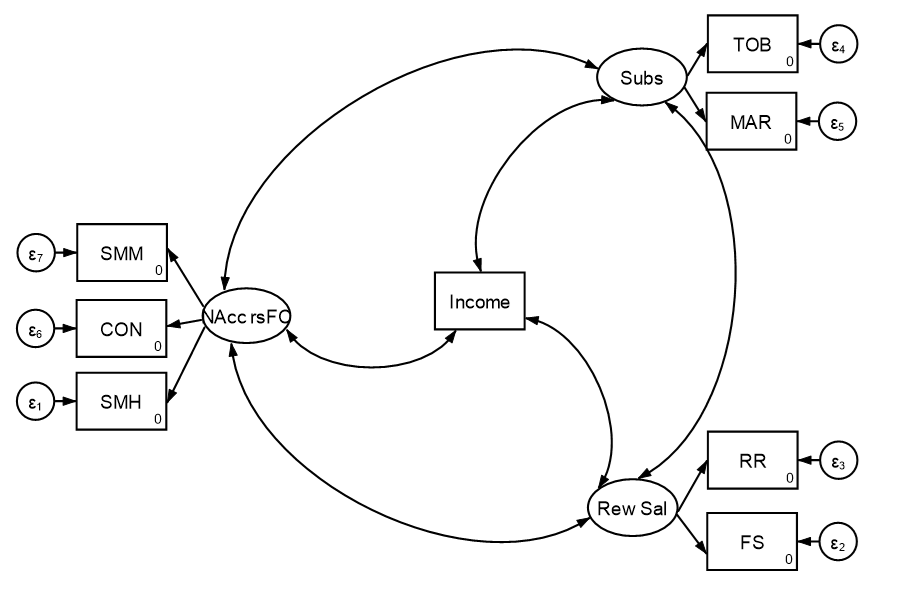
Nucleus Accumbens Resting State Functional Connectivity is Linked to Family Income, Reward Salience, and Substance Use
Background: As a central component of the brain's reward system, nucleus accumbens (NAcc) plays a crucial role in reward salience and substance use behaviors. Changes in the NAcc are also relev... Read more
Resting-State Functional Connectivity Between the Cingulo-Opercular and Default Mode Networks May Explain Socioeconomic Inequalities in Cognitive Development
Background: The Cingulo-Opercular Network (CON) is a crucial executive control network involved in regulating actions and facilitating higher-order cognitive processes. Resting-state functiona... Read more
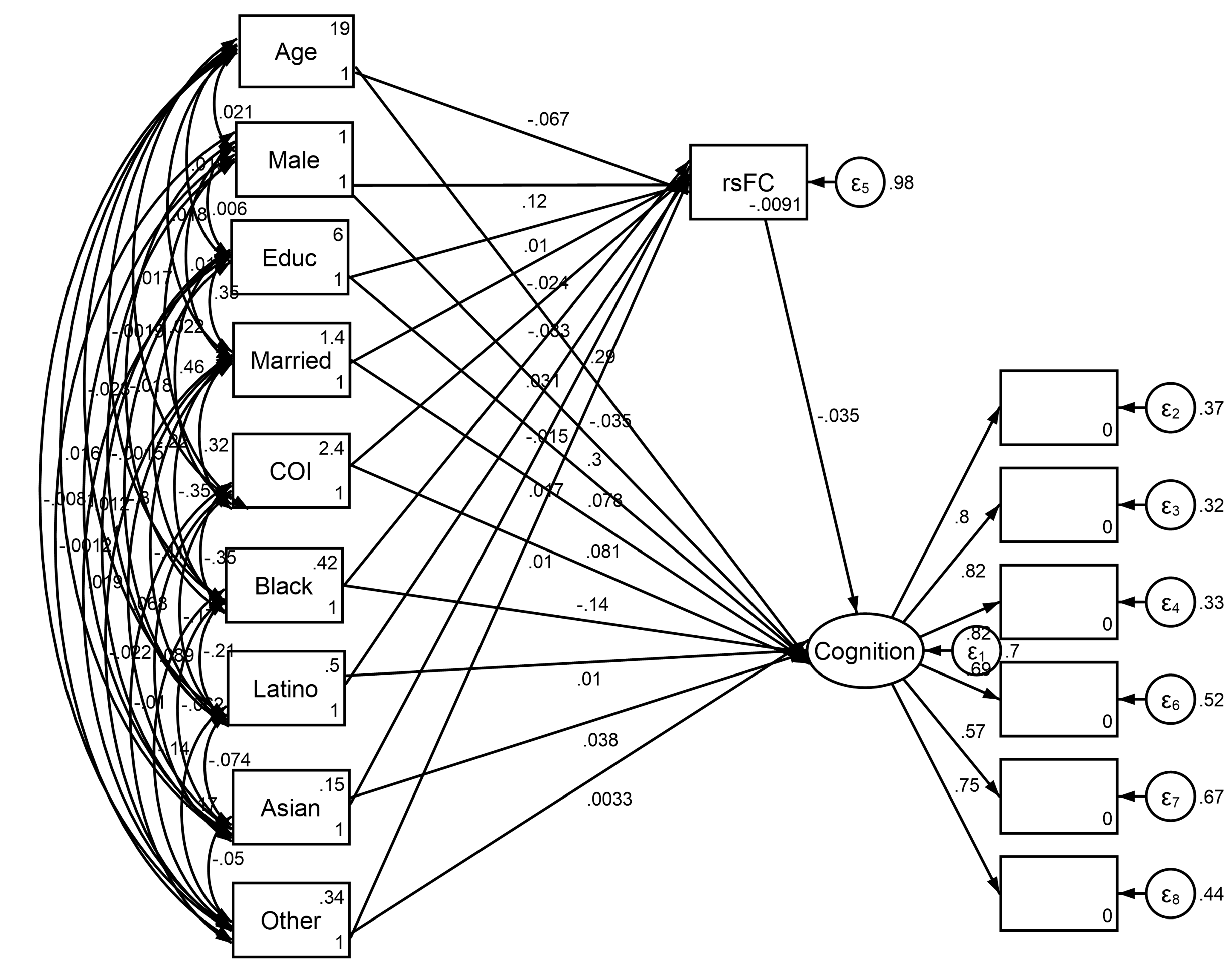
Socioeconomic Status, Trauma, Cognitive Function, Impulsivity, Reward Salience, and Future Substance Use: Role of Left Caudate Connectivity with the Cingulo-Opercular Network
Background: While understanding how corticostriatal connectivity is associated with socioeconomic status (SES), trauma exposure, cognitive function, reward salience, impulsivity, and future sub... Read more
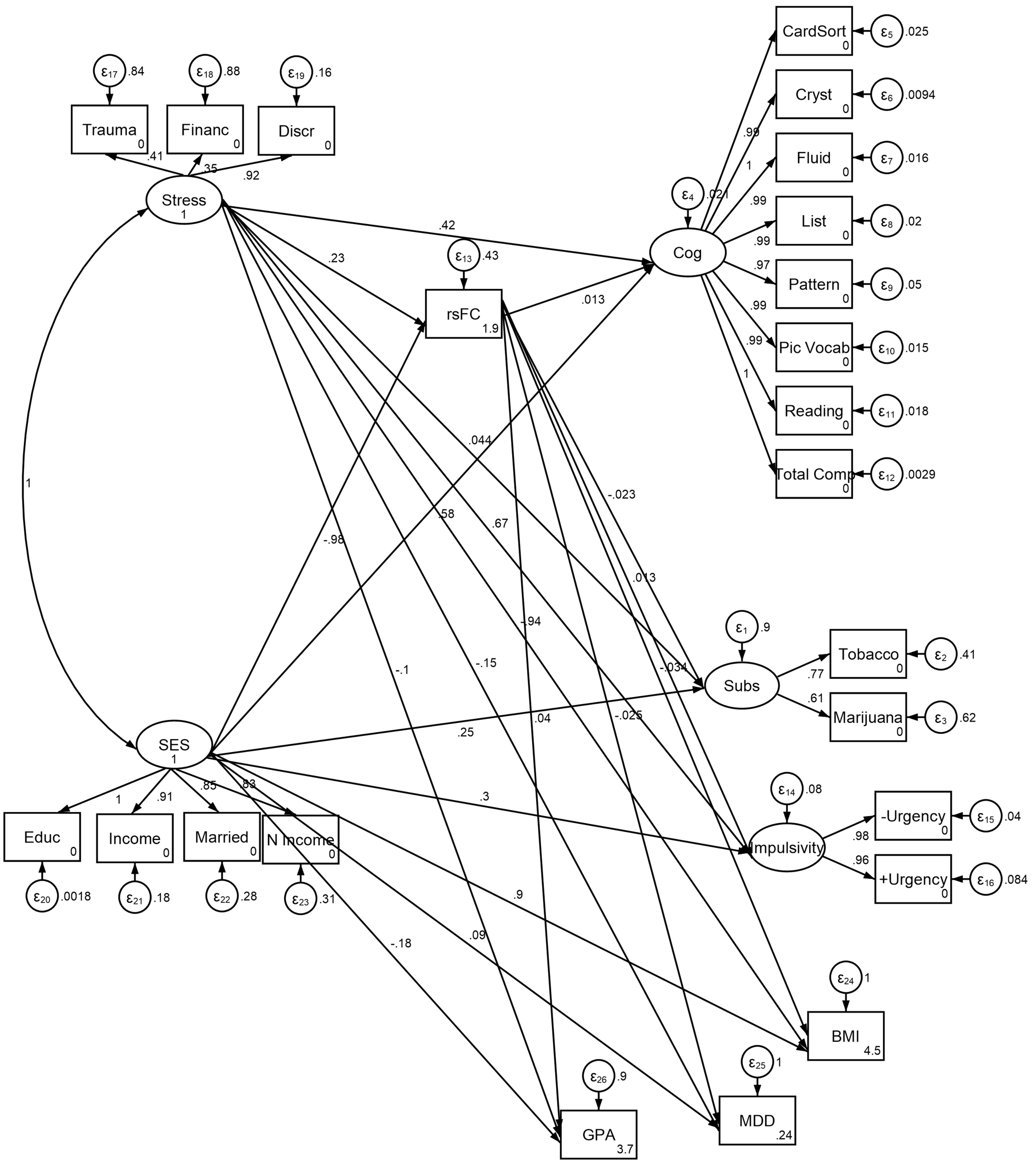
Gender Differences in the Association Between Socioeconomic Status and Cardiometabolic Health: National Health and Nutrition Examination Survey
Background: Socioeconomic status (SES) is a well-established determinant of health, often associated with lower risk of cardiometabolic diseases (CMD). However, the extent to which SES i... Read more
Trauma Erodes Financial Returns of Educational Attainment
Background: Educational attainment is often regarded as a pathway to economic stability and social mobility. However, the Minorities’ Diminished Returns (MDRs) framework has demonstrated that t... Read more
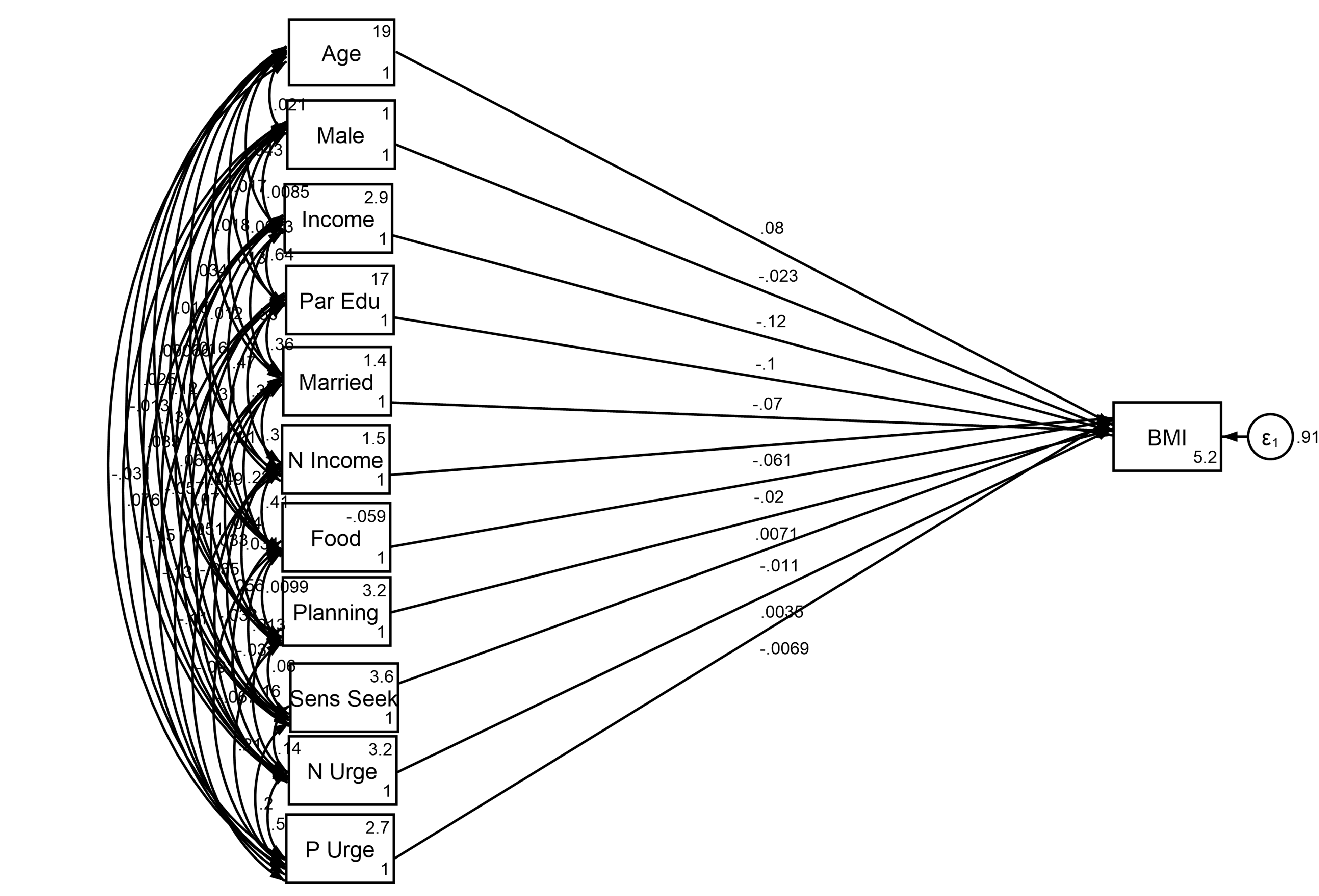
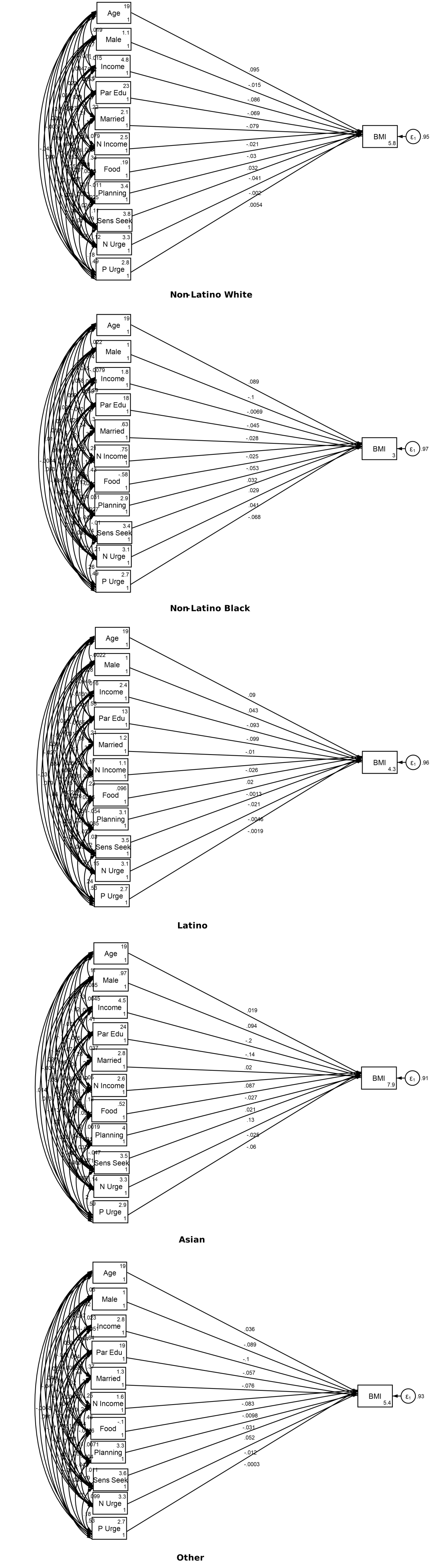
Psychosocial Correlates of Childhood Body Mass Index: Racial and Ethnic Differences
Objective: To examine racial/ethnic differences in the associations of family socioeconomic status (SES), neighborhood SES, and inhibitory control with body mass index (BMI) in 9-10-year-old ch... Read more
Childhood Depression, Hopelessness, and Suicidal Attempt Predict Earlier Tobacco and Marijuana Use Initiation During Adolescence
Background: Emotional problems have been associated with substance use, yet longitudinal research examining this relationship during childhood and adolescence in large, diverse, community-based... Read more
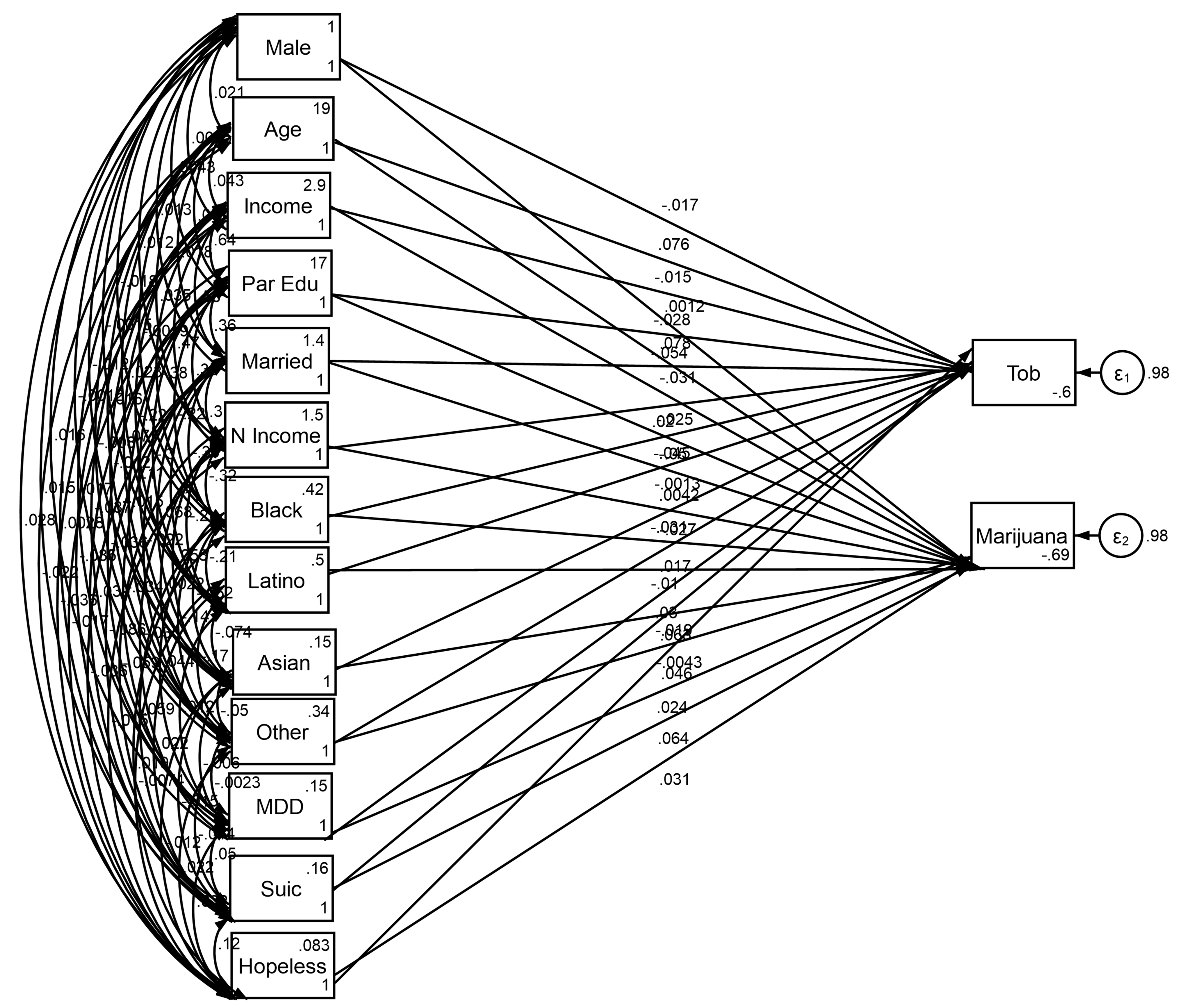
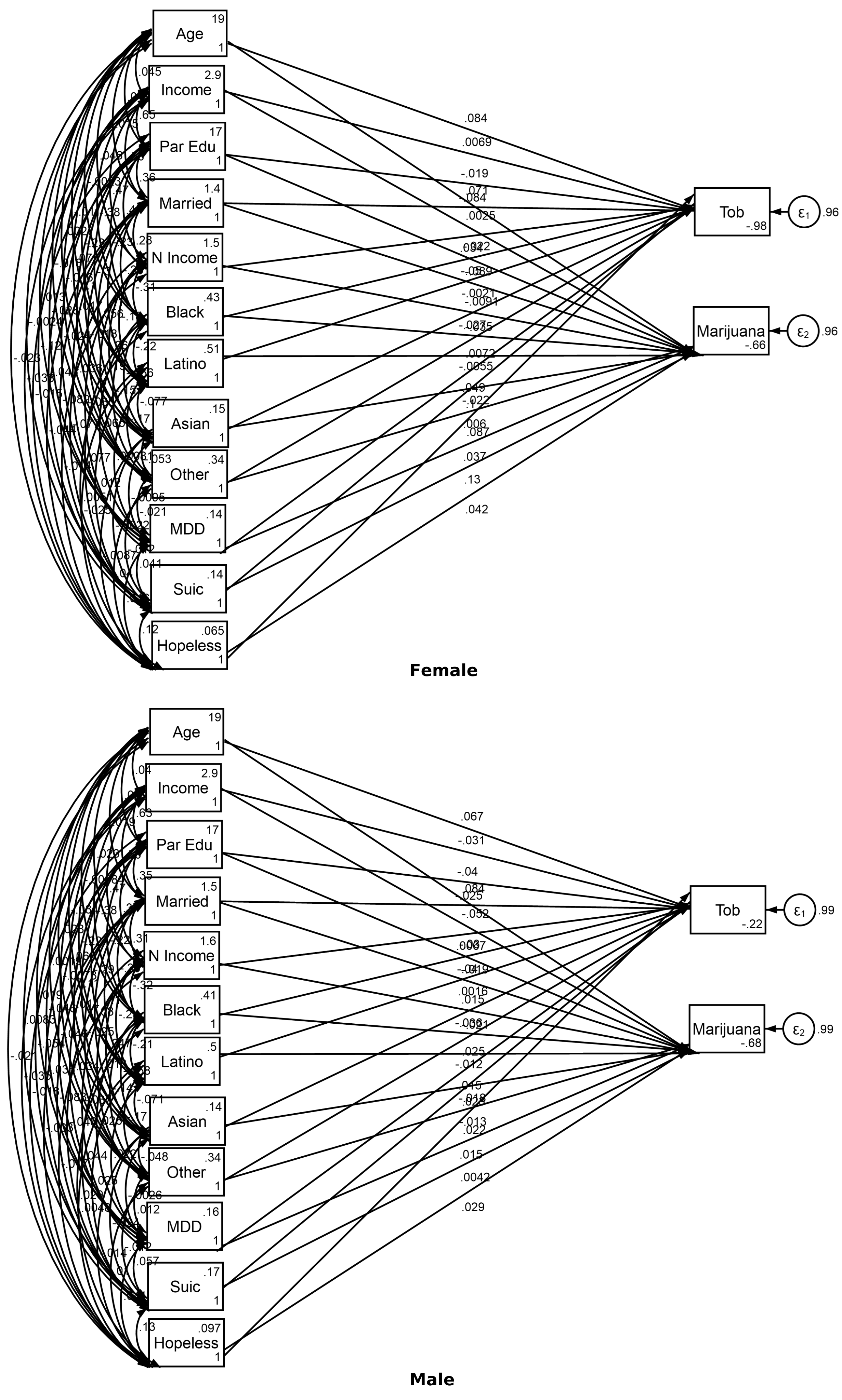
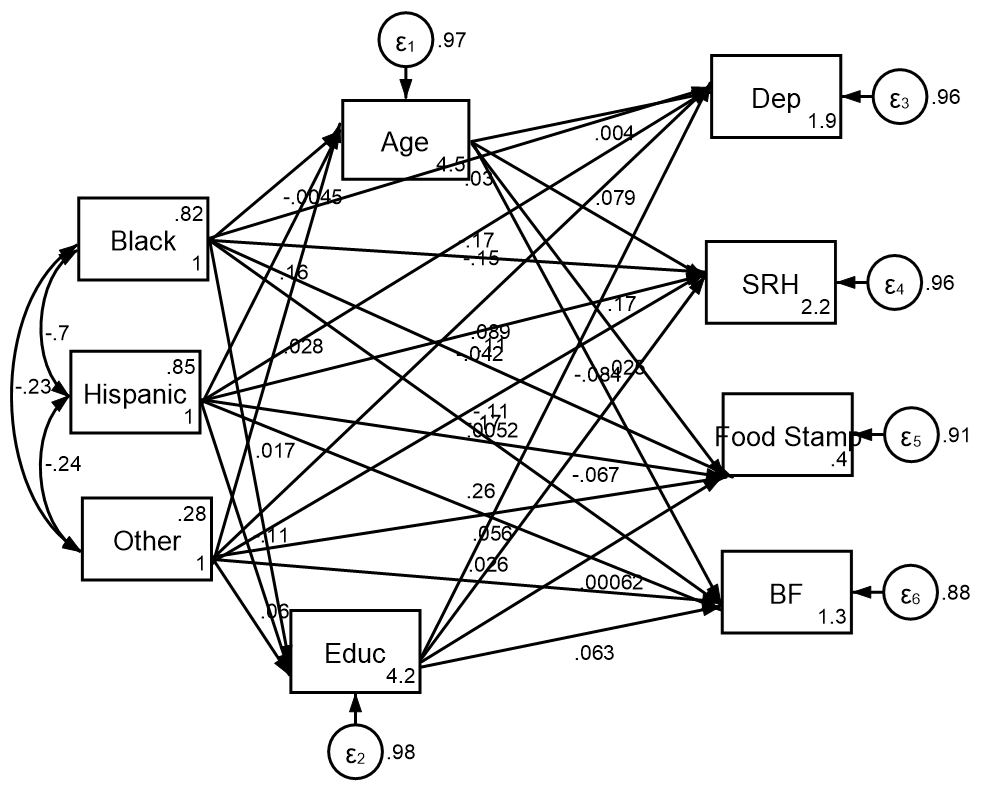
Diminished Returns of Educational Attainment on Welfare Receipt of American Indian/Alaska Native People: National Health Interview Survey (NHIS) 2023
Background: Educational attainment is generally associated with reduced reliance on Social Security and disability benefits; however, the Minorities' Diminished Returns (MDRs) theory sug... Read more
Pallidum Functional Hypoconnectivity and Inhibitory Control as Partial Mediators of Environmental Influences on Tobacco and Marijuana Initiation
Background: Low socioeconomic status (SES) has been linked to higher rates of tobacco and marijuana use initiation; however, the contributions of environmental and neurocognitive factors... Read more
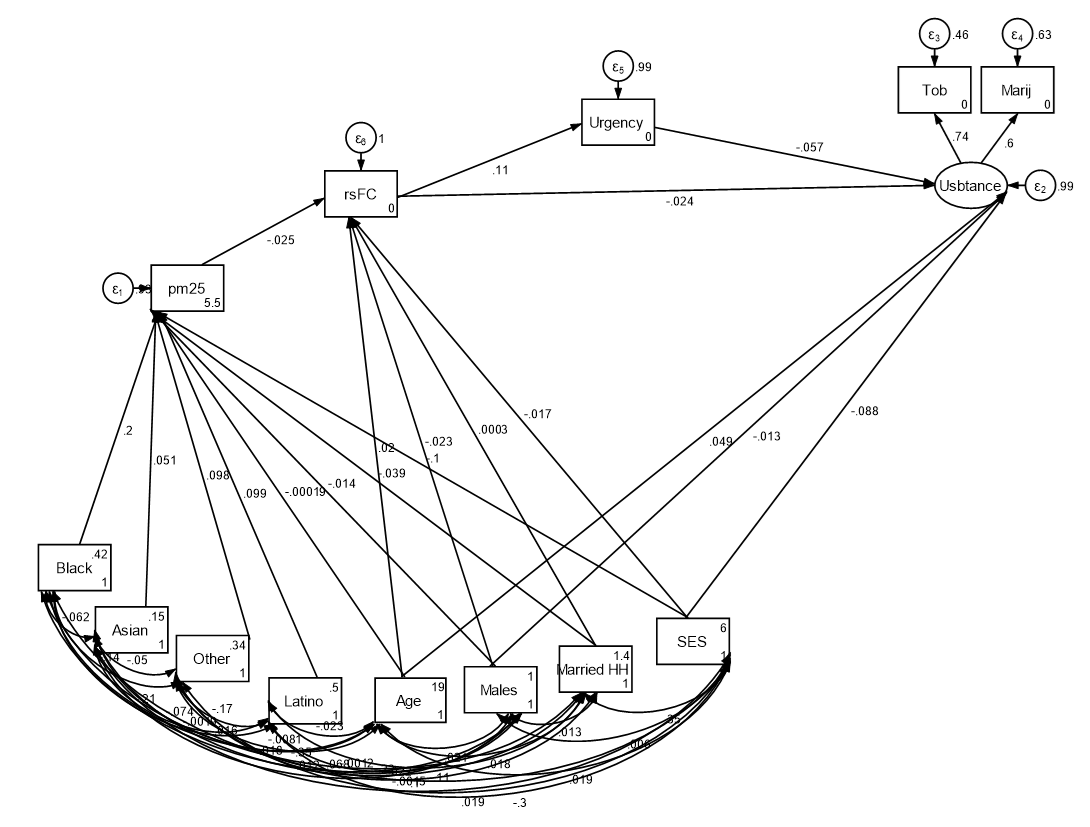
High Socioeconomic Status Black Adolescents Attend Worse Schools than Whites
Background: School characteristics — including poverty levels, teacher experience, graduation rates, and college enrollment — are essential determinants of students’ academic outcomes an... Read more
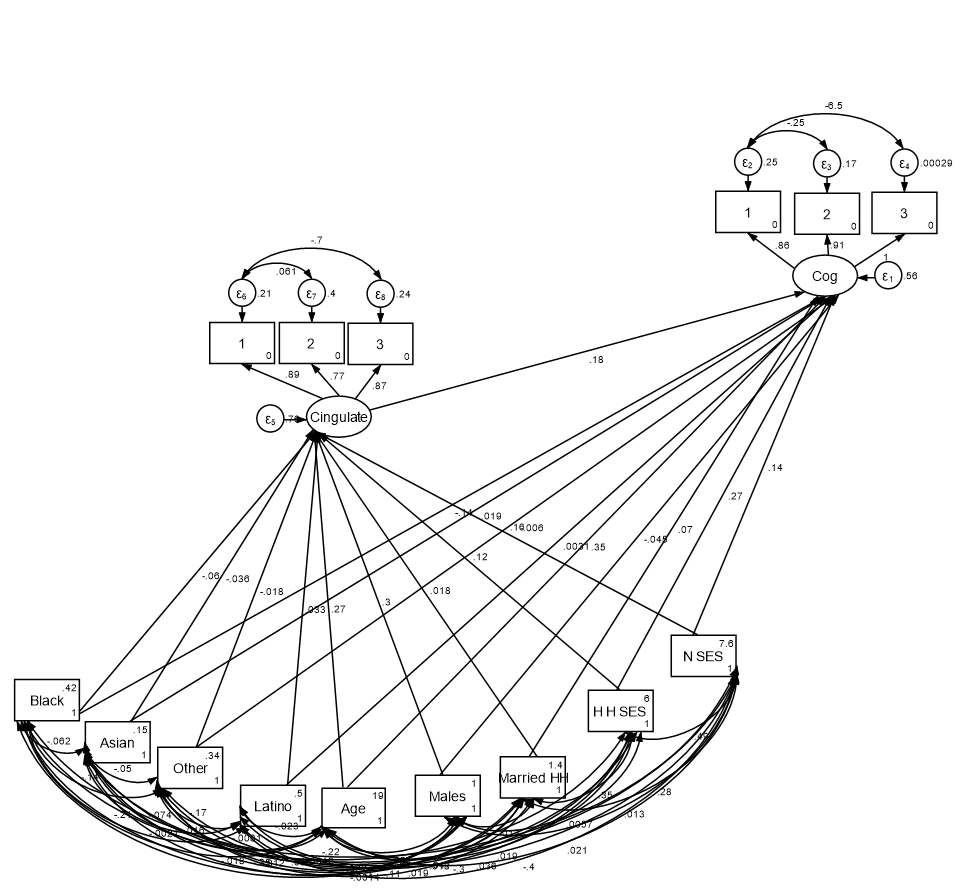
Cingulate Gyrus Volume as a Mediator of the Social Gradient in Cognitive Function
Background: Socioeconomic status (SES) is a well-established predictor of cognitive function in children, but the neurobiological pathways through which SES influences cognitive outcomes remain... Read more