Articles
Browse all published research articles
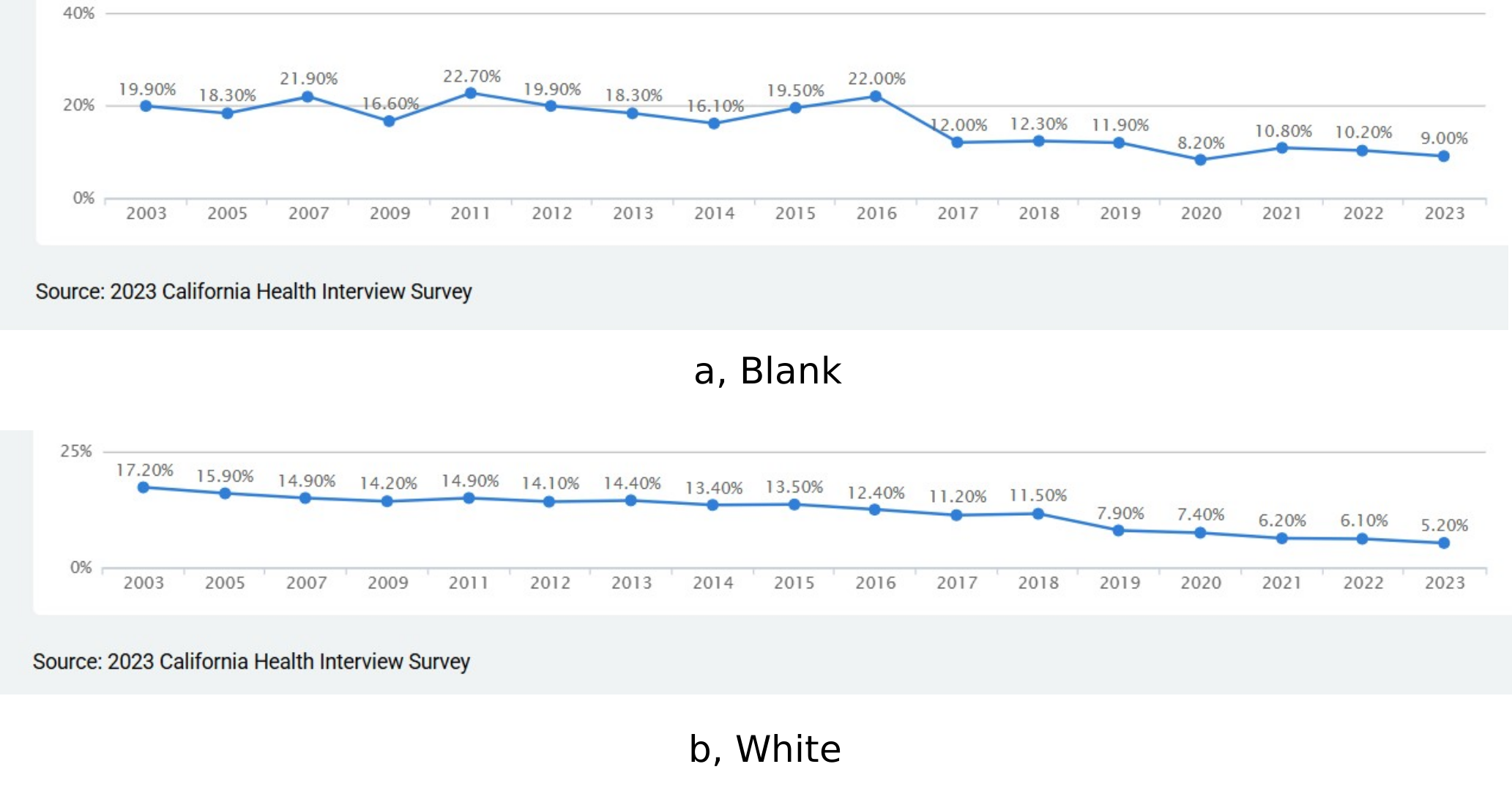
Trends in Smoking and Flavored Tobacco Use in California: Black–White Disparities, 2003–2023
Background: Tobacco control policies nationwide have contributed to a substantial decline in cigarette and tobacco use, with particularly sharp reductions observed in states such as California ... Read more
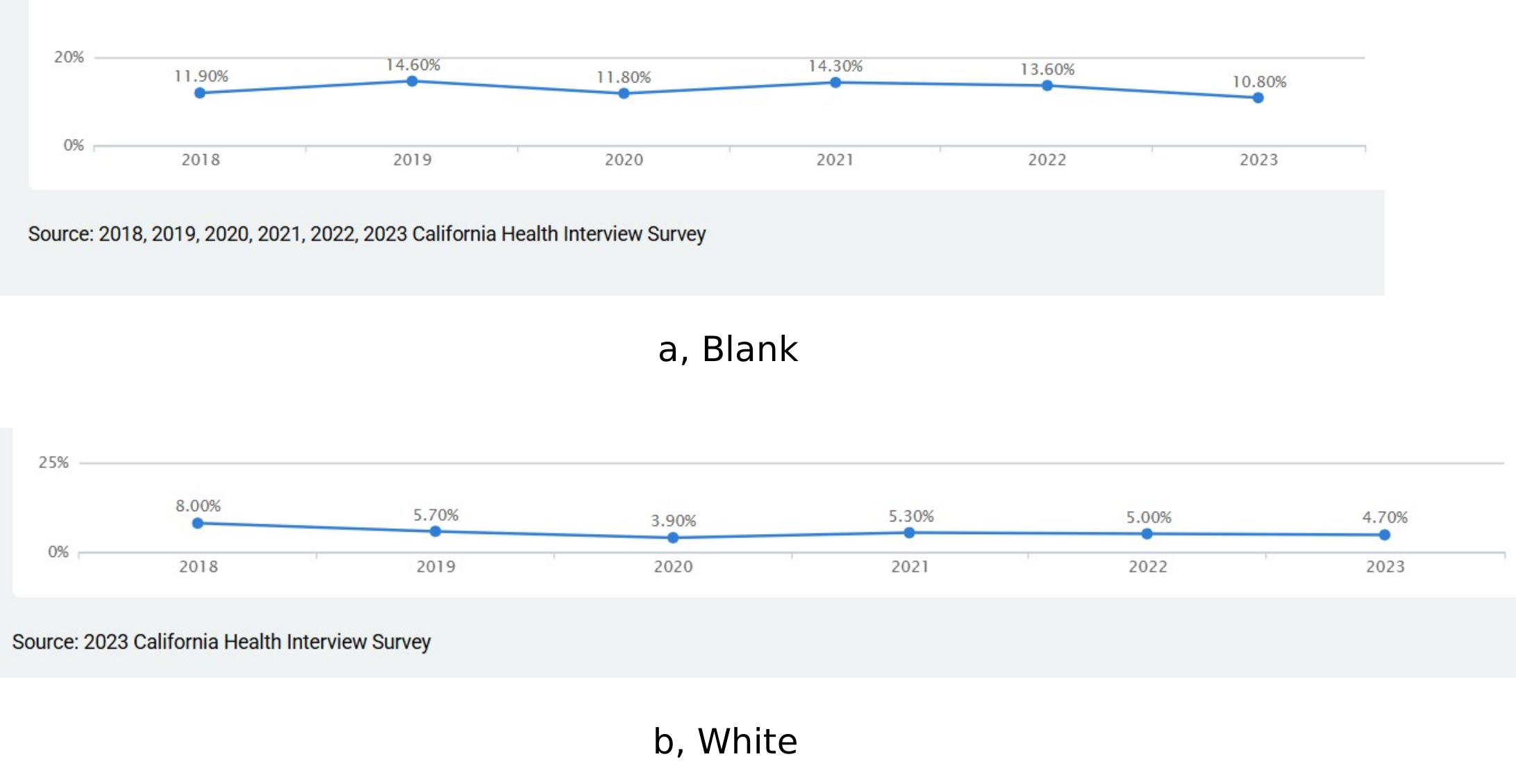
Gender Differences in Quit Rates in a Tobacco Cessation Program: In Search of Demographic, Socioeconomic, Health, or Behavioral Explanatory Mechanisms
Background: Women have consistently shown lower quit rates in tobacco cessation programs compared to men. This gender disparity persists despite comprehensive interventions and access to cessat... Read more
Tobacco-control policy support and tobacco use: SMOKES study
Background: Tobacco control policies are implemented globally to reduce tobacco-related morbidity and mortality. Emerging evidence suggests that individual tobacco use may influence the level o... Read more
Hopelessness and Smoking among Black Adults
Background: While the link between depression and smoking is known, less is known about the relationship between hopelessness and smoking in large national community-based sample of Blac... Read more
Lower Successful Quit Rate of Menthol Tobacco Users in a Tobacco Cessation Program: An Explanatory Analysis in Search of Potential Mechanisms
Background: Menthol-flavored tobacco products are disproportionately used in low-income African American communities, a result of decades of targeted marketing and systemic inequities. M... Read more
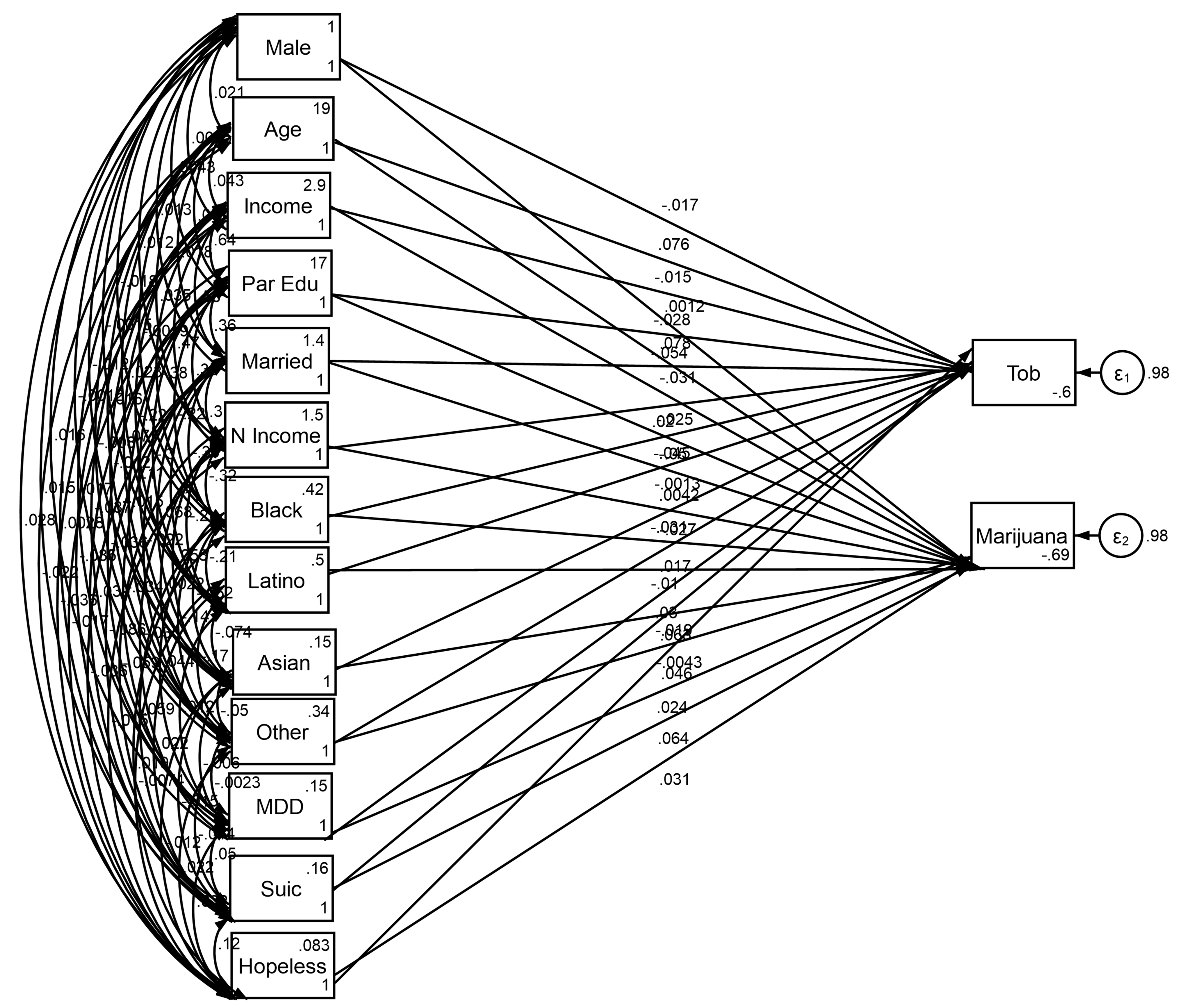
Childhood Depression, Hopelessness, and Suicidal Attempt Predict Earlier Tobacco and Marijuana Use Initiation During Adolescence
Background: Emotional problems have been associated with substance use, yet longitudinal research examining this relationship during childhood and adolescence in large, diverse, community-based... Read more

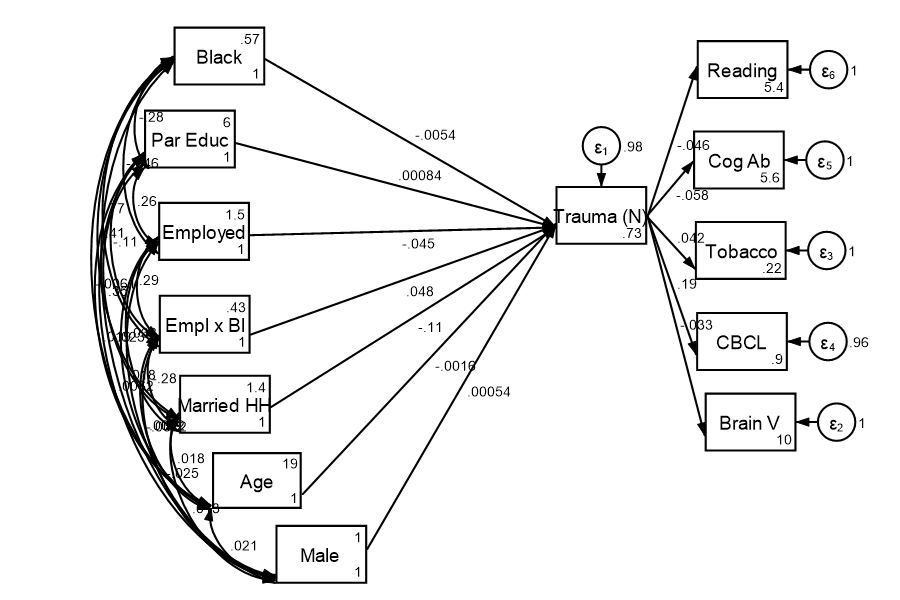
Neurocognitive, Emotional, and Behavioral Costs for Adolescents Due to Diminished Returns of Parental Employment on Trauma
Background: Parental employment is a significant social determinant of children's developmental outcomes, shaping their cognitive and behavioral trajectories. However, the effects of parental e... Read more
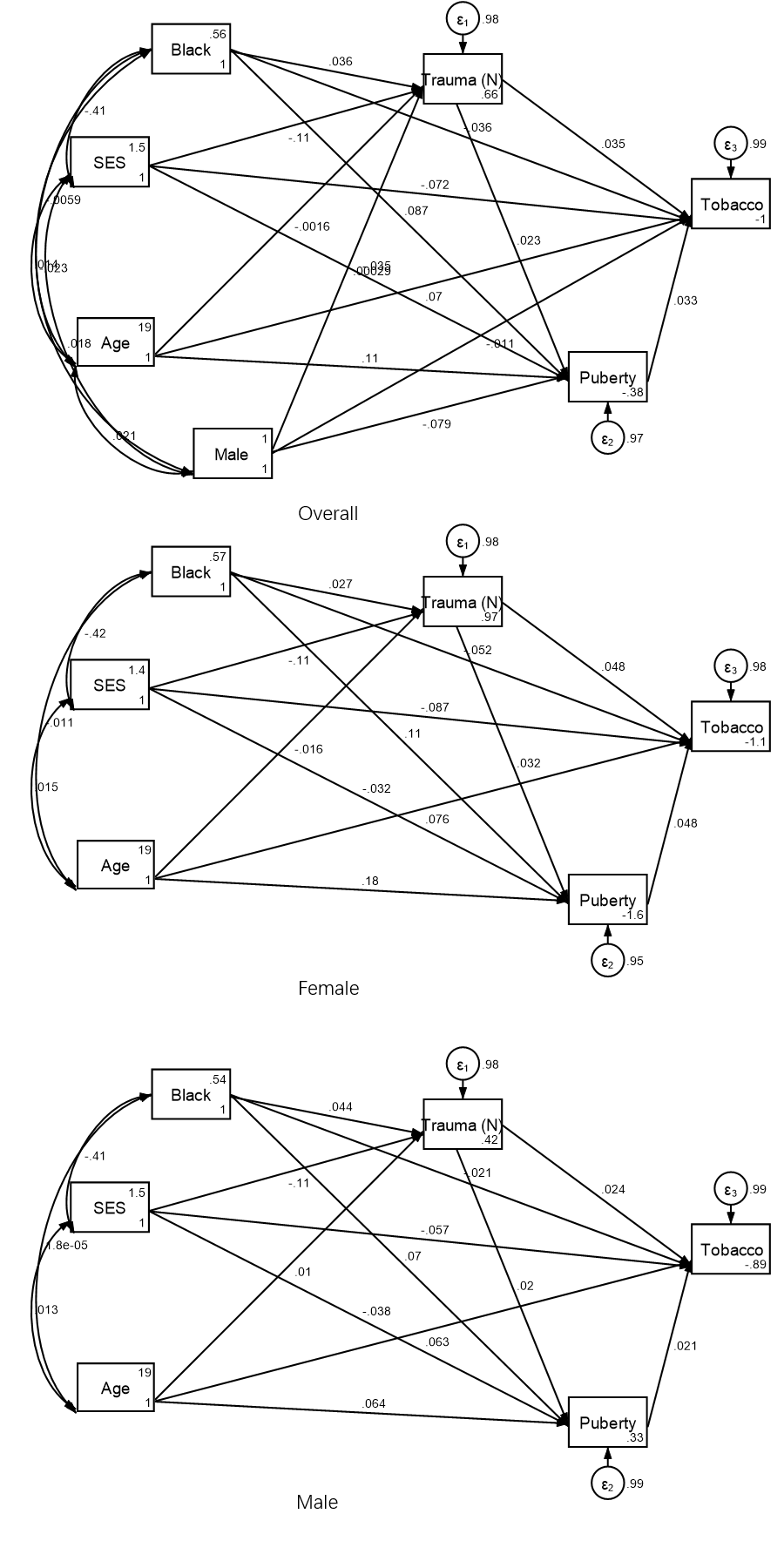
Trauma and Early Puberty May Be Stronger Predictors of Early Tobacco Initiation in Girls Compared to Boys
Objective: This study investigates the pathways linking socioeconomic status (SES), trauma, early puberty, and tobacco use, with a focus on how these relationships differ by sex. Using data fro... Read more
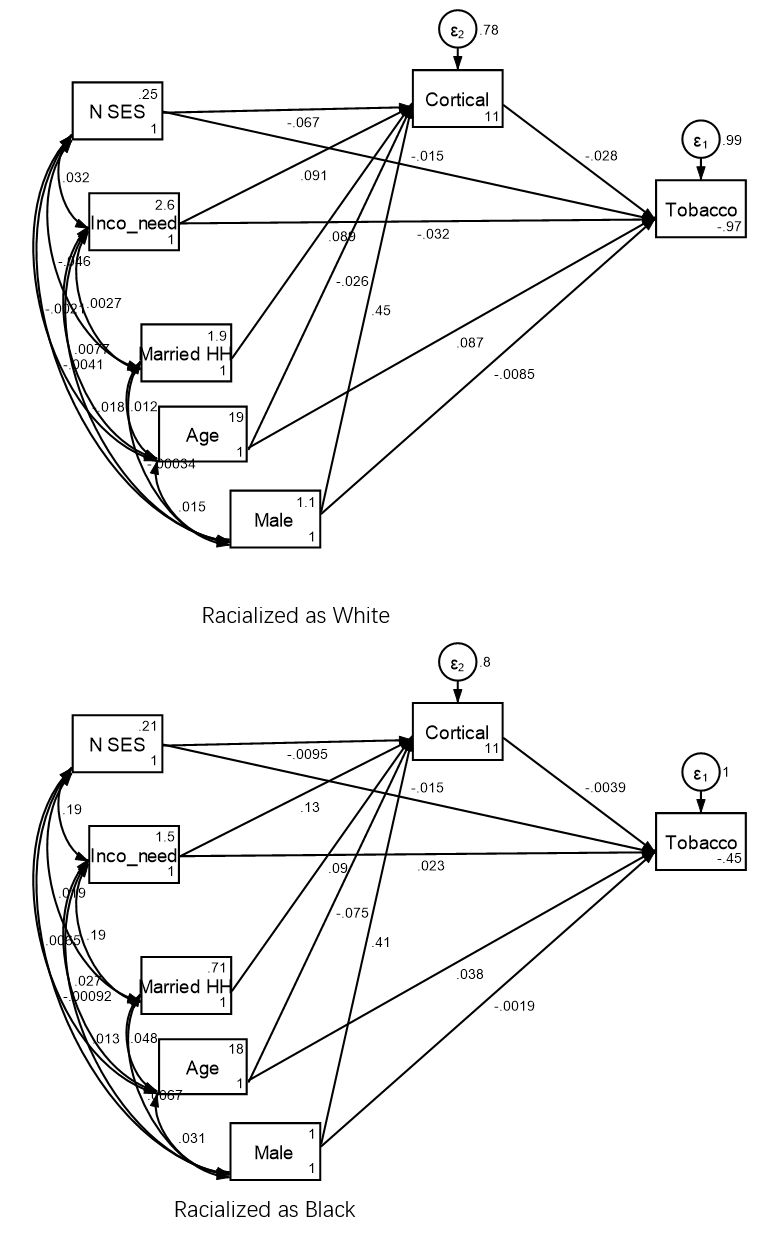
Population Diversity Matters: Heterogeneity of Biopsychosocial Pathways from Socioeconomic Status to Tobacco Use via Cerebral Cortical Volume in the ABCD Study
Background: Most neuroscience research has predominantly focused on White, middle-class populations, leading to gaps in understanding how socioeconomic status (SES) influences brain development... Read more
Heat Exposure Predicts Earlier Childhood Pubertal Initiation, Behavioral Problems, and Tobacco Use
Background: Climate change has raised significant concerns about its impact on health, particularly for vulnerable populations such as children and adolescents. While extensive research has exa... Read more

Puberty Onset and Positive Urgency Explain Diminished Returns of Family Income on Tobacco and Marijuana Use
Background: Puberty is a crucial developmental milestone that involves significant physiological, emotional, and behavioral changes. Early puberty onset, influenced by both biological and socia... Read more

Too Much Heat May Make You Smoke
Background: The rising concerns surrounding climate change have drawn attention to its potential impact on health, particularly among vulnerable groups such as children and older adults. Despit... Read more

School Poverty Partially Mediates the Effects of Structural Racism on Youth Tobacco Use Initiation
Background. Although youth from high socioeconomic status (SES) backgrounds are generally protected against tobacco use, this protection is weaker for racialized and marginalized families, particu... Read more

Smokers with Multiple Chronic Disease Are More Likely to Quit Cigarette
Objective: This study aims to investigate the relationship between the presence of chronic medical conditions and cessation among U.S. adults who use combustible tobacco. We hypothesized that h... Read more
Cognitive and Psychological Mediators of the Social Gradient in Tobacco Use Initiation Among Adolescents: Evidence from the ABCD Study
Background: Tobacco use among adolescents is a significant public health concern, with early initiation leading to long-term health risks. Understanding the factors that contribute to the initi... Read more

Adversities Mediate Social Determinants of Youth Tobacco Use Initiation
Background: Social determinants of health (SDOH) significantly influence health behaviors, including tobacco use among youth. Adversities such as perceived discrimination, perceived neighborhood s... Read more

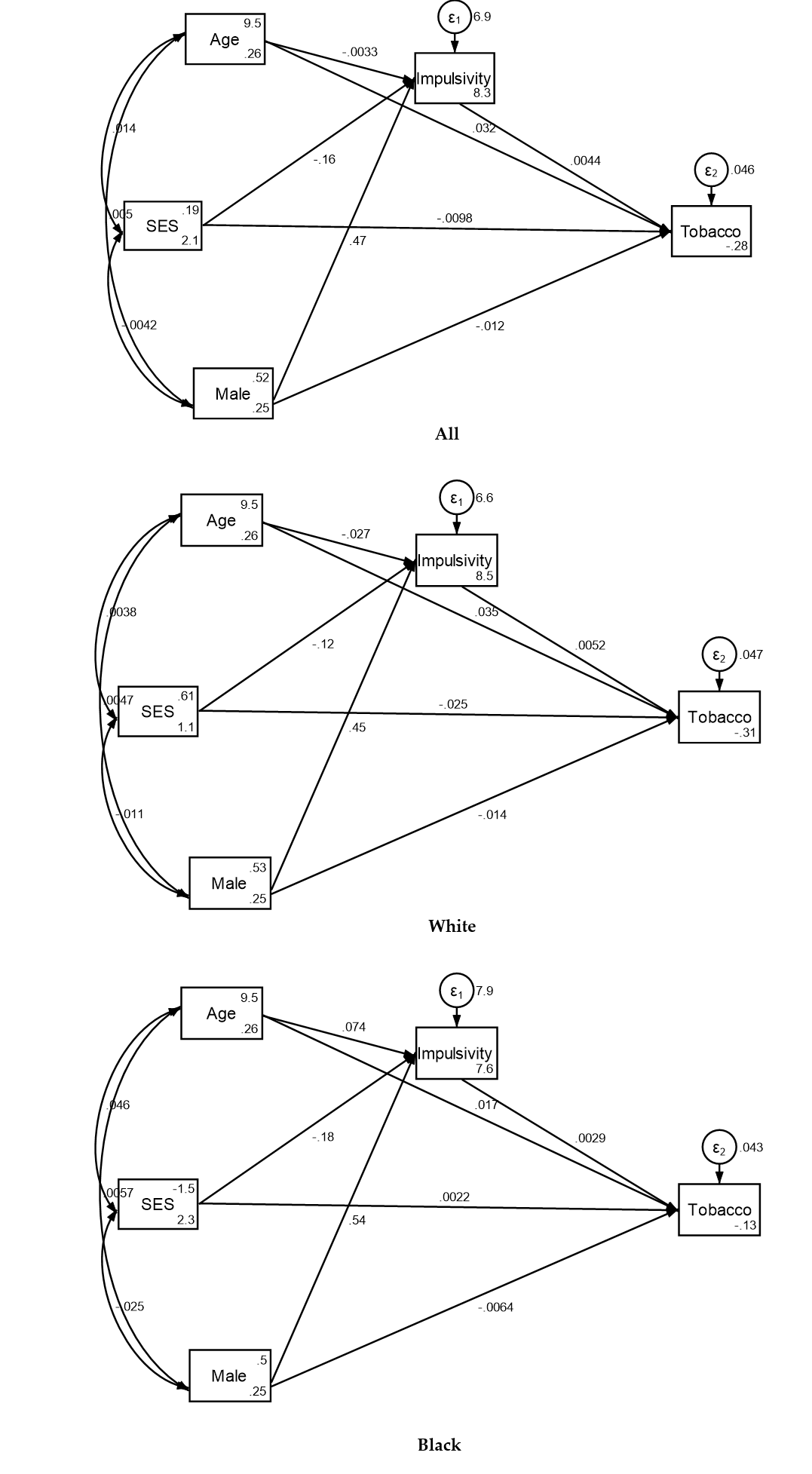
Role of Impulsivity in Explaining Social Gradient in Youth Tobacco Use Initiation: Does Race Matter?
Background: Socioeconomic status (SES) is traditionally viewed as a protective factor against impulsivity and subsequent tobacco use in youth. The prevailing model suggests that higher SES is a... Read more
Higher Neighborhood Crime Rates Don't Always Predict Early Initiation of Tobacco, Marijuana, and Alcohol
Background: The initiation of substance use during adolescence is a significant public health concern with long-term implications. Structural and environmental factors, such as community... Read more
Socioeconomic Status Partially Mediates the Effects of Structural Racism on Youth Tobacco Use Initiation
Background: Recent research has identified structural racism—systemic policies and practices that perpetuate racial inequalities—as a significant social determinant of population health. Studie... Read more
