Latest Articles
Tuberculosis among elderly patients: diagnostic and therapeutic challenges (2020-2024)
Background: Tuberculosis (TB) in the elderly poses significant diagnostic and therapeutic challenges due to immunosenescence, comorbidities, and atypical clinical presentation. This study evaluates the epidemiological and clinical characteristics of TB in patients aged ≥65 years. Methods: A retrospective descriptive study was conducted including all TB cases reported between 2020 and 2024. Data from the National Tuberculosis Program were analyzed for...
Elimination of HIV Transmission Risks through Viral Suppression: Undetectable=Untransmittable and its Impact among People Living with HIV
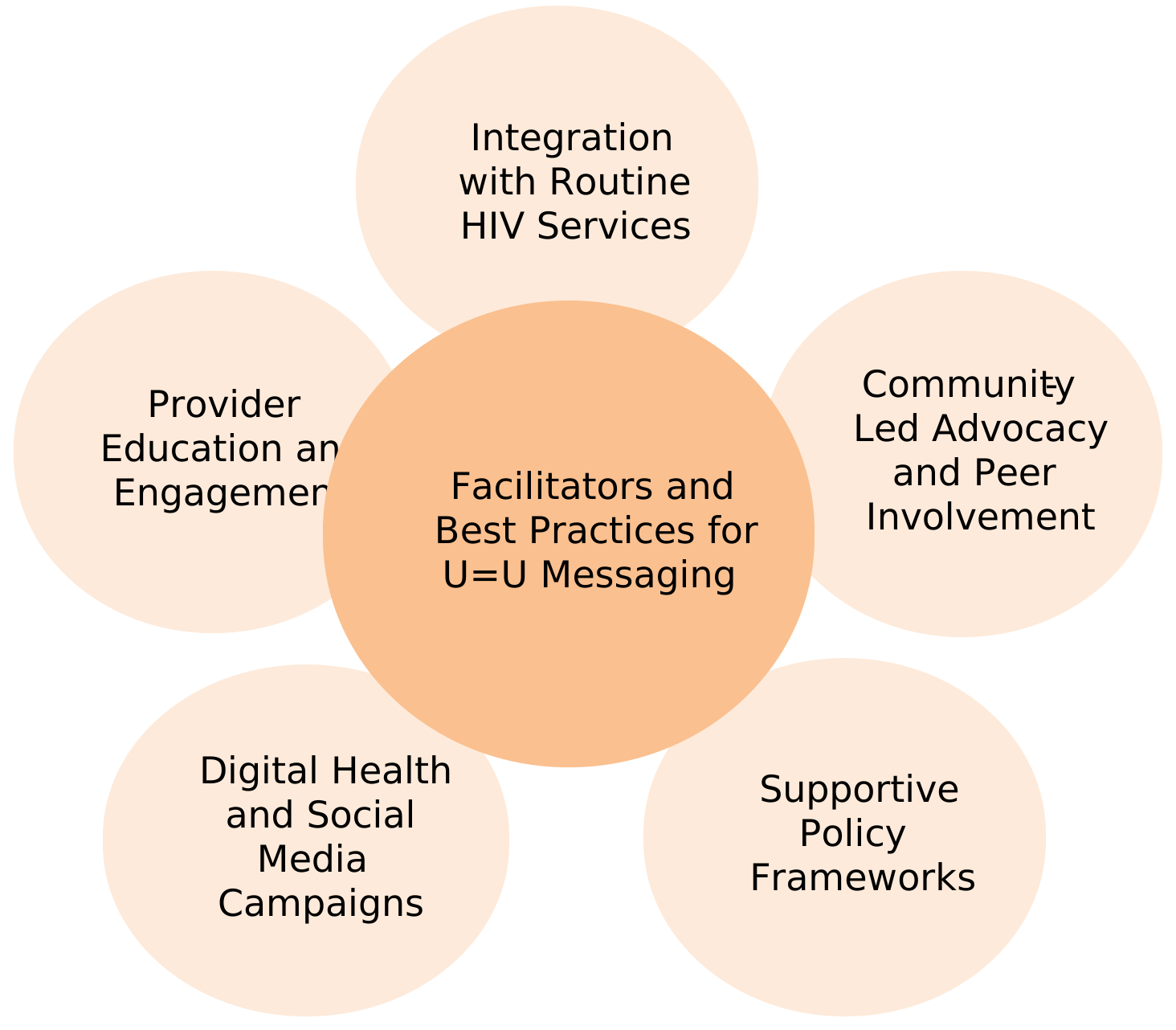
The principle of Undetectable = Untransmittable (U=U) posits that people living with the human immunodeficiency virus (HIV) who are able to achieve and maintain a viral load of <200 copies/mL by regularly taking antiretroviral drugs (ARVs) are considered virally suppressed and cannot transmit the HIV virus to other individuals through sex. This groundbreaking message has emerged as a key HIV...

Reimagining Mathematical Modeling for a Responsive and Integrated Future in Infectious Disease Epidemiology
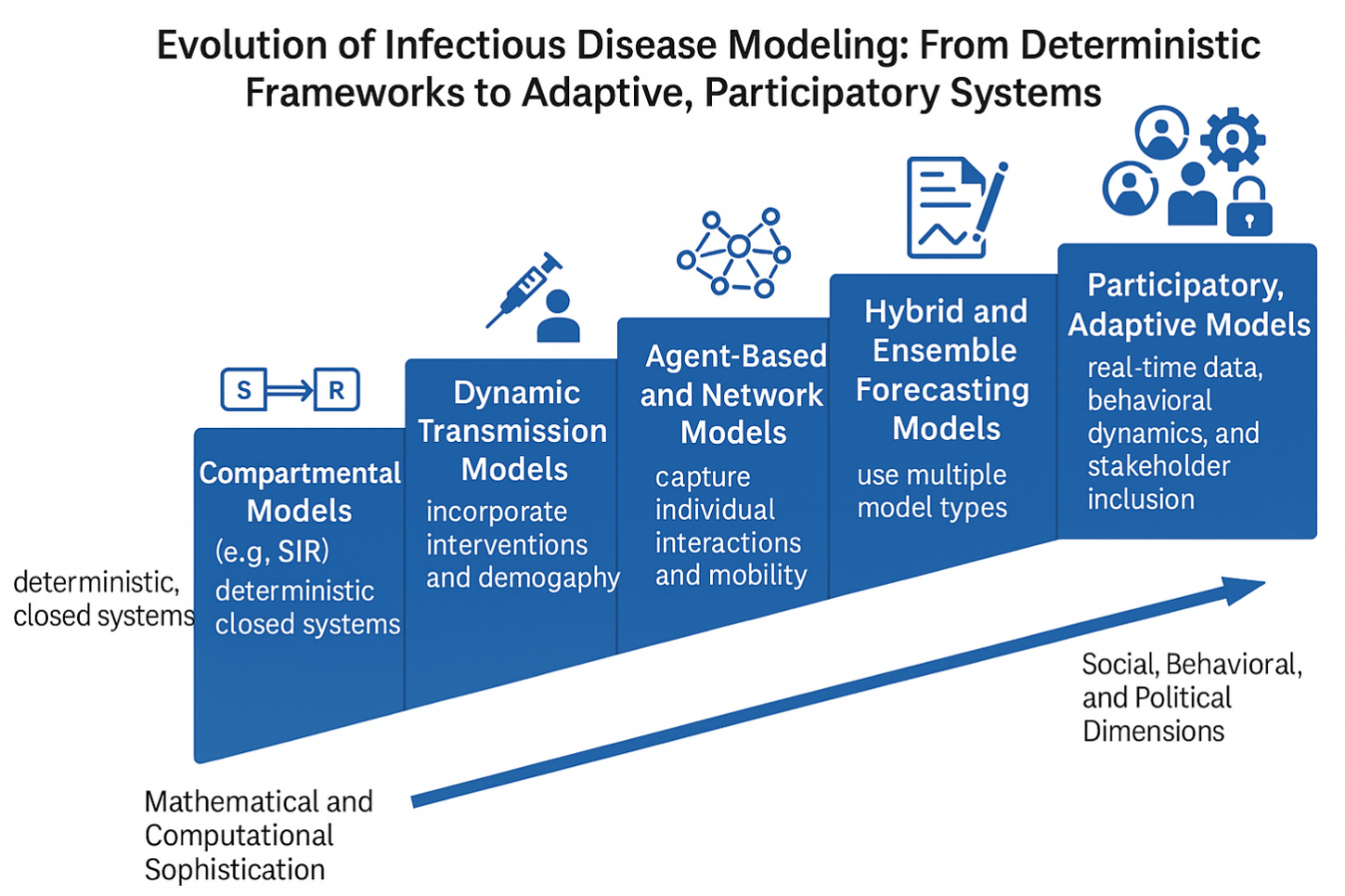
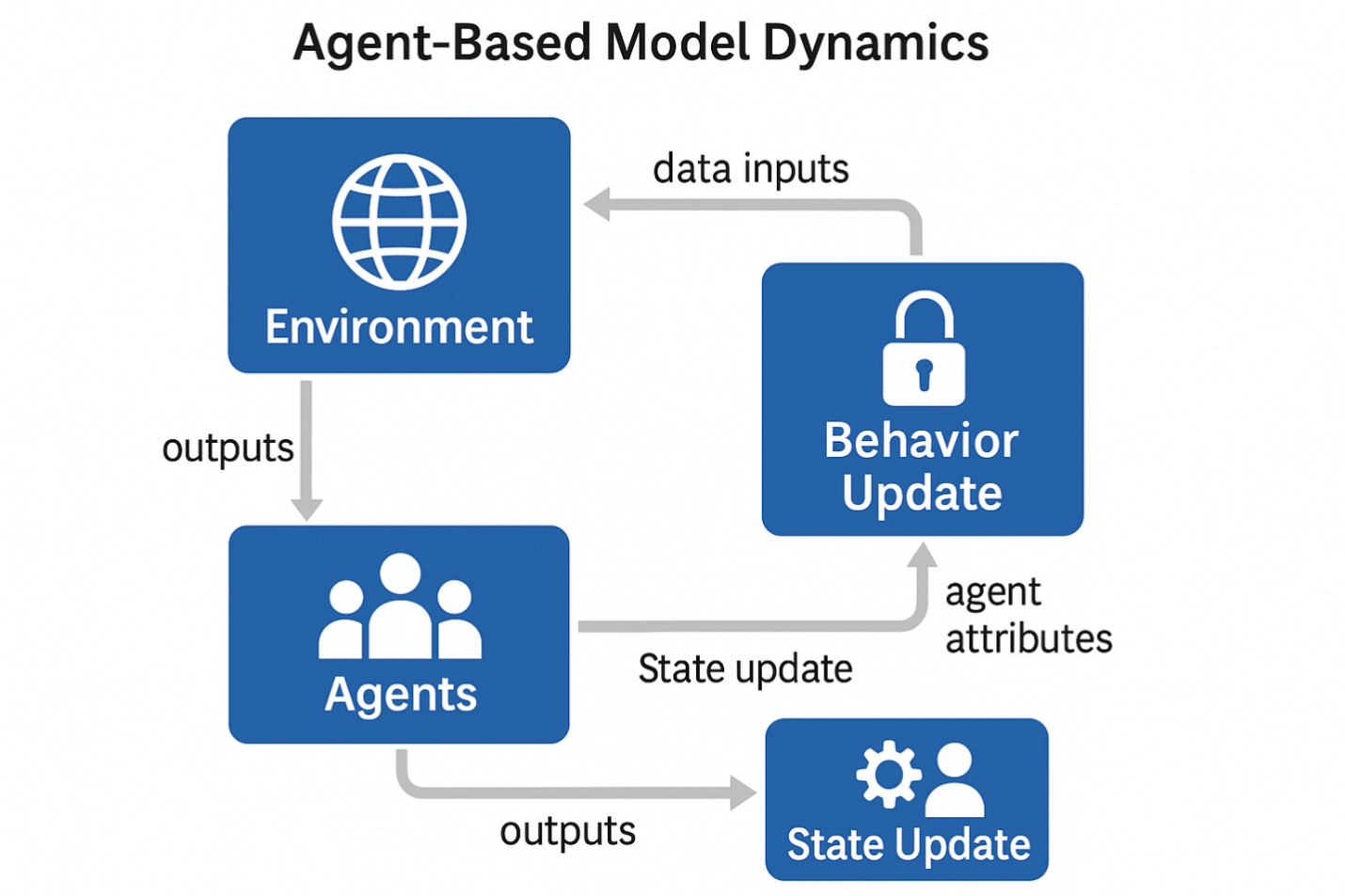
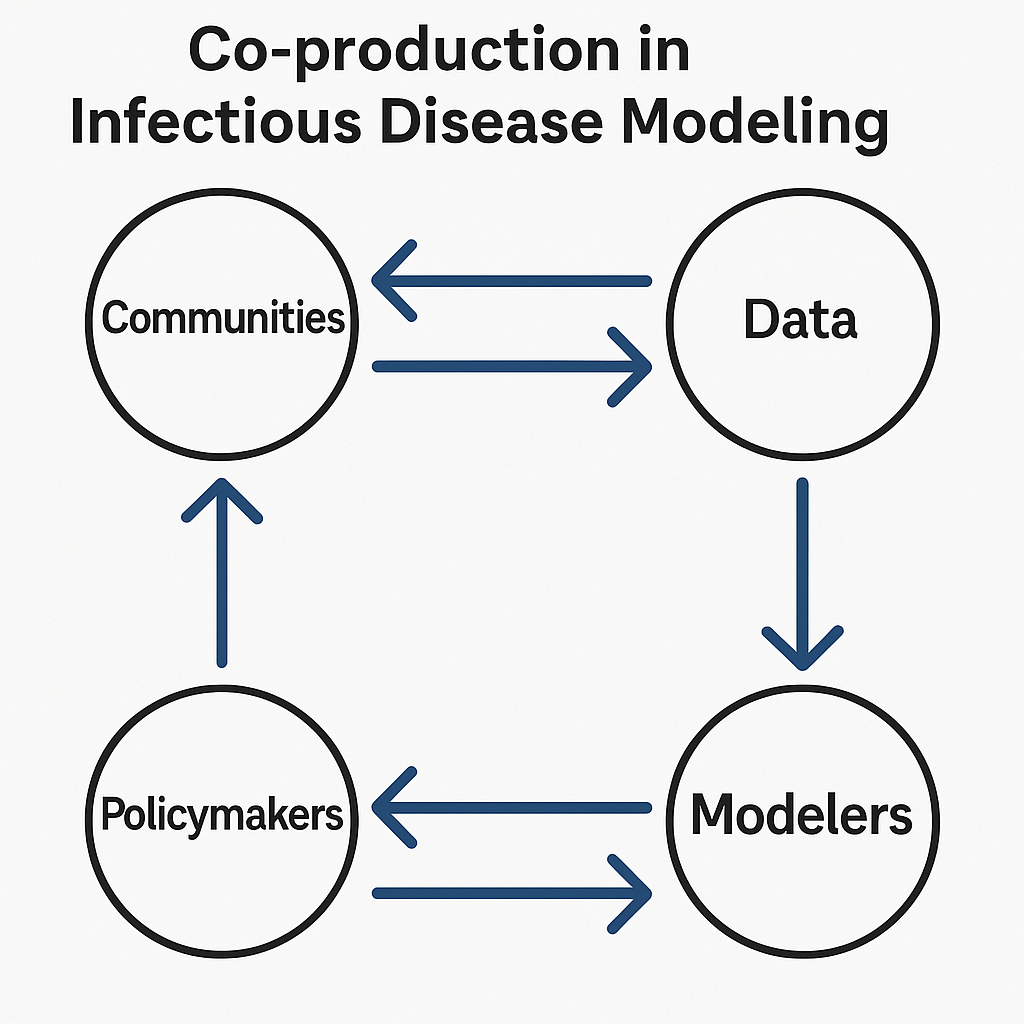
Mathematical modeling plays a central role in infectious disease epidemiology, shaping outbreak response strategies and informing public health policy. The COVID-19 pandemic demonstrated the value of these models but also exposed persistent limitations related to data fragility, lack of transparency, limited stakeholder engagement, and insufficient consideration of social and political contexts. Rather than critiquing modeling as a discipline, this perspective...
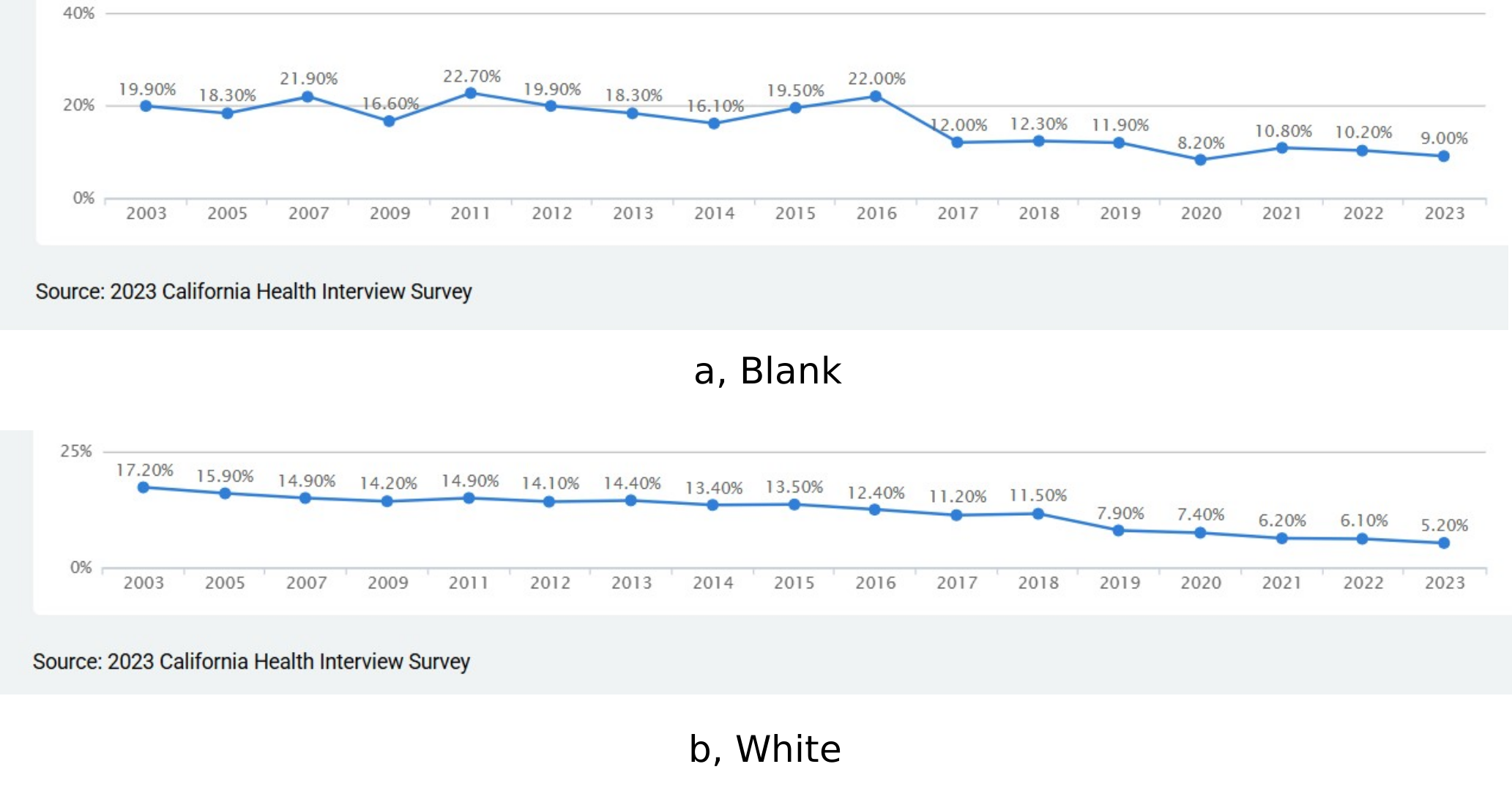
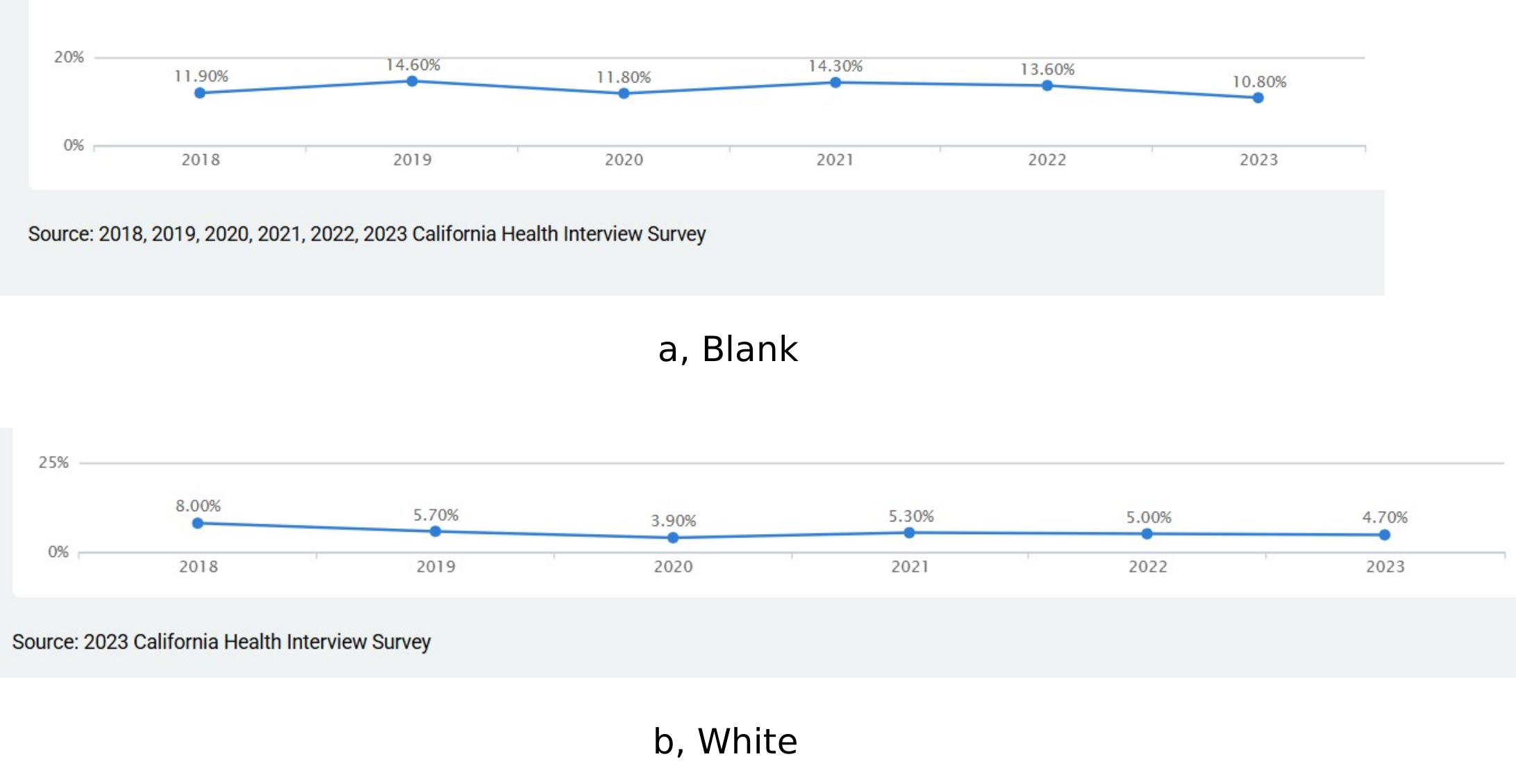
Trends in Smoking and Flavored Tobacco Use in California: Black–White Disparities, 2003–2023
Background: Tobacco control policies nationwide have contributed to a substantial decline in cigarette and tobacco use, with particularly sharp reductions observed in states such as California that have implemented restrictive bans, strong prevention measures, and high excise taxes. While these policies have led to overall decreases in tobacco use, progress has not necessarily been distributed equally across racial groups. Understanding...
Current Status of Legionnaires' Disease and Environmental Factors in Japan
Legionnaires' disease became widely known following an outbreak of pneumonia in the United States in 1976. It is often caused by infection from artificial water sources such as cooling towers, water supply and heating systems, and recirculating hot tubs. To effectively implement infection prevention measures for Legionnaires' disease, collaboration among healthcare workers, water supply and heating system managers, building hygiene...
Tobacco-control policy support and tobacco use: SMOKES study
Background: Tobacco control policies are implemented globally to reduce tobacco-related morbidity and mortality. Emerging evidence suggests that individual tobacco use may influence the level of support for these policies. However, the extent to which personal use affects policy endorsement remains underexplored, particularly among young adults in academic settings. Aims: This study aimed to examine whether college students who use tobacco...
Search Articles
Popular Articles
Aims & Scope
Aims and Scope
The Global Journal of Epidemiology and Infectious Disease publishes research on disease patterns, transmission dynamics, and control strategies. The journal addresses global health security through surveillance, prevention, and outbreak response.
Scope encompasses:
- Epidemiological methods and surveillance
- Disease outbreak investigation
- Infectious disease epidemiology
- Viral, bacterial, and parasitic infections
- Public health and disease prevention
- Vaccinology and immunization
- Antimicrobial resistance
- One Health and zoonotic diseases
- Global health and health equity
- Health systems and policy
The journal welcomes field investigations, modeling studies, intervention evaluations, and policy analyses in epidemiology and infectious diseases.
Author Guidelines
Please prepare your manuscript according to our standard guidelines. For detailed instructions, please contact the editorial office.
Ready to Submit Your Research?
Join our community of authors and share your discoveries with the world
Submit Manuscript