
Abstract
Background: The construction industry is one of the most hazardous sectors worldwide, with workers consistently exposed to risks from prolonged contact with hazardous materials. This study evaluates the effectiveness of wearable technologies in improving safety and health monitoring among construction workers in Nigeria. Methodology: A quantitative cross-sectional survey was conducted among 370 construction workers, site managers, and safety officers across Nigeria using an online questionnaire hosted on Google Forms. The study employed purposive sampling to ensure representation across job roles, experience levels, and project types. Data were collected on awareness, usage, benefits, challenges, and improvements associated with wearable technology. Data was analysed using SPSS version 28. Results: Findings showed that awareness of wearable technology was low (32.4%), and only 34.1% reported personal utilisation. Smart vests (32.7%), noise monitoring devices (32.4%), and smartwatches (32.4%) were the most common devices used. Benefits cited included reduced accident occurrences (28.4%) and enhanced well-being (24.6%), while barriers included cultural/language issues (32.7%) and technological limitations (22.4%). Overall, 48.6% reported improvement in safety and health monitoring. Logistic regression showed that wearable technology use significantly improved safety and health monitoring (AOR = 5.937, p < 0.001), with commercial project workers reporting higher odds of improvement (AOR = 7.495, p = 0.001). Conclusion: Wearable technology significantly enhances safety and health monitoring in Nigeria’s construction industry, particularly for experienced workers and commercial projects. Targeted interventions addressing awareness, training, and accessibility are crucial to overcoming barriers and maximizing its impact.
1. Introduction
The construction industry is one of the most hazardous sectors worldwide, with workers consistently exposed to risks such as falls, heavy machinery accidents, and long-term health issues due to prolonged exposure to hazardous materials [1, 2]. Globally, the prevalence of workplace injuries and fatalities in construction has driven the demand for innovative solutions to enhance safety and health monitoring [3]. Wearable technology has emerged as a transformative tool in this domain, offering real-time monitoring of workers' health and safety conditions, which has significantly contributed to reducing incidents and improving overall workplace safety [4, 5].
Wearable devices, initially popularized in the healthcare sector, have found significant applications in construction, where they are used to monitor workers' vital signs, detect hazardous conditions, and even predict potential safety incidents before they occur [6, 7]. The global adoption of wearable safety and health monitoring technologies has been swift, particularly in Asia, where rapid industrialization and urbanization have driven increased construction activity and technology traction [8]. However, the implementation and impact of these technologies vary across different regions, with some countries showing more progress than others [9]. Wearable technologies have diverse applications across various industries and fields, including medicine, health, sports, mining, military, education, and infotainment [3]. Wearable devices, often integrated into clothing or accessories, are characterized by their wearability, portability, and smart functionality [4, 10]. Consequently, wearable devices find applications in numerous sectors, including the construction industry [3].
Construction health and safety (H&S) research in Nigeria has predominantly focused on occupational hazards, risk assessment and control, and general safety management practices, with limited attention to wearable technologies [11, 12]. While advanced technologies have the potential to enhance health and safety on construction sites, research on leveraging them for H&S management remains scarce. Smart practices such as wearable technologies have demonstrated advantages over traditional H&S programs in reducing workplace accidents and fatalities [13]. While numerous studies have explored the benefits and challenges of wearable devices in the construction sector globally [14, 15, 16], there is limited research focusing on their application in the Sub-Haran Africa, particularly in Nigeria. This study seeks to address this gap by examining the effectiveness of wearable technologies in enhancing construction safety and health monitoring in Nigeria, considering the region's specific challenges and requirements.
2. Materials and Methods
2.1. Research Design
This study employs a quantitative research design using an online cross-sectional survey (questionnaire) to collect data on the impact of wearable technology on the safety and health monitoring of construction workers in Nigeria. The questionnaire was designed to capture participants' perceptions of the effectiveness of wearable technologies in their work environment. This cross-sectional study provided a snapshot of the current adoption and utilization of wearable devices among construction workers, construction managers, and safety officers in Nigeria.
2.2. Study Area
The study was conducted across various construction sites in Nigeria, encompassing both urban and rural areas where significant construction activities are ongoing. Nigeria's rapidly growing infrastructure and diverse construction projects provide a suitable environment for studying the implementation and impact of wearable technology on worker safety and health monitoring. Nigeria, situated on Africa's west coast, is the world's most populous Black nation, spanning 356,668 square miles. It borders the North Atlantic Ocean, Benin, and Cameroon, and is renowned for its rich cultural and ethnic diversity [17]. The country's climate varies significantly, ranging from arid to humid equatorial zones, highlighting its environmental diversity [17].
2.3. Population of the Study
The study population consists of construction workers, site managers, and safety officers currently employed in Nigeria's construction industry. The participants include those with experience using wearable technologies for safety and health monitoring and those who have not yet adopted them. The focus was on gathering insights from individuals across different job roles and levels of exposure to wearable devices.
2.4. Sampling Technique
A purposive sampling technique was employed to deliberately select participants with relevant experience and knowledge of wearable technology in the construction industry. To ensure adequate representation of key subgroups, a stratified purposive sampling approach was adopted, in which participants were selected across categories such as job roles (e.g., construction workers, site managers, and safety officers), experience levels, and types of construction projects (e.g., residential, commercial, and infrastructure). However, selection within these categories was non-random and based on participants’ relevance to the study objectives. To reach participants within these strata, online platforms were utilized where targeted individuals are most active. Personal and professional networks or associations in the construction industry were used to identify and contact relevant individuals in the construction sector via WhatsApp. The survey link was distributed in construction-focused WhatsApp groups, particularly among teams working on ongoing projects. Broadcast lists were utilized to send individualized survey invitations while protecting participants’ privacy. Furthermore, industry directories, professional associations, and LinkedIn were employed to contact construction companies, safety managers, and workers throughout Nigeria. Personalized emails explaining the study’s objectives were also planned to enhance participation.
2.5. Data Collection Instrument
The primary data collection instrument was a structured online questionnaire designed to collect quantitative data on the use and impact of wearable technologies in the construction industry. The online questionnaire, hosted on Google Forms, was designed to be mobile-friendly and accessible across all social media platforms and email to ensure that participants can easily complete the survey on their smartphones or computers. The questionnaire includes straightforward, concise, closed-ended questions (multiple-choice). This Google Form was designed to allow easy navigation between questions and sections, making the survey process smooth and user-friendly. This questionnaire includes sections on demographic information, awareness and usage of wearable devices, perceived effectiveness, challenges faced, and overall impact on safety and health monitoring. To address potential limitations in internet access, a hybrid dissemination approach was adopted. Although the questionnaire was administered online via Google Forms, efforts were made to ensure broader participation by leveraging widely used mobile platforms such as WhatsApp, which are commonly accessible to construction workers. In addition, participants were encouraged to assist colleagues with limited digital literacy or intermittent internet access in completing the questionnaire using shared devices where feasible. This approach helped to minimize selection bias associated with exclusive reliance on internet-based data collection. The questionnaire was pre-tested and validated to ensure clarity, reliability, and validity of the questions. To assess the adoption of wearable technology, the questionnaire includes specific items that measure participants' current and past use of wearable devices for safety and health monitoring on construction sites. This includes questions on the frequency of use, types of wearable technologies adopted, duration of use, and context of application. Participants were also asked about the reasons for adoption or non-adoption, enabling a comprehensive understanding of usage patterns.
2.6. Sample size
The sample size for this study was determined using the Morgan and Krejcie (1970) Table for sample size determination. For a population exceeding 10,000, the table suggests a sample size of 370 to achieve 95% confidence and a 5% margin of error. This sample size is deemed sufficient to yield statistically significant results and to allow generalizability of the findings to the broader population of construction workers and safety managers in Nigeria.
2.7. Inclusion and Exclusion Criteria
2.7.1 Inclusion Criteria
- Construction workers, site managers, and safety officers aged 18 years and above.
- Individuals currently employed in the construction industry in Nigeria.
- Participants who have either used wearable technologies or have some level of awareness, training, or indirect exposure to wearable technologies in the workplace (e.g., observation or organizational implementation), including those who have not personally adopted them.
- Participants with access to a smartphone, computer, or assisted digital support for completing the questionnaire.
- Individuals not currently employed in the Nigerian construction industry.
- Individuals with no workplace experience in construction settings.
- Participants who do not have access to smartphones and computers were excluded from the study.
2.7.2. Exclusion Criteria
2.8. Data analysis
The collected data were analysed using Statistical Package for the Social Sciences (SPSS) for Windows Version 28.0 software. Descriptive statistics was used to summarize the demographic characteristics of the participants and their responses to the questionnaire items. Inferential statistical tests were conducted to examine relationships between some important variables. Chi-square tests were used to assess associations between categorical variables, such as levels of awareness of wearable technology and job roles. Logistic regression analysis was also employed to assess the likelihood that wearable technology adoption influences perceived improvements in safety and health monitoring, while controlling for potential confounding variables.
2.9. Ethical Considerations
Ethical approval for the study was obtained from the Nigerian Institute for Medical Research (NIMR). Informed consent was obtained from all participants prior to their involvement in the study. Participants were assured of the confidentiality and anonymity of their responses, and they had the right to withdraw from the study at any time without penalty. Data collected were securely stored and used solely for the purposes of this research.
3. Results
3.1. Table 1 presents the demographic characteristics of a sample of 370 construction workers
3.2. Awareness and the Use of Wearable Technology for Health and Safety Monitoring among Construction Workers
3.3. Type of wearable technology used for health and safety monitoring
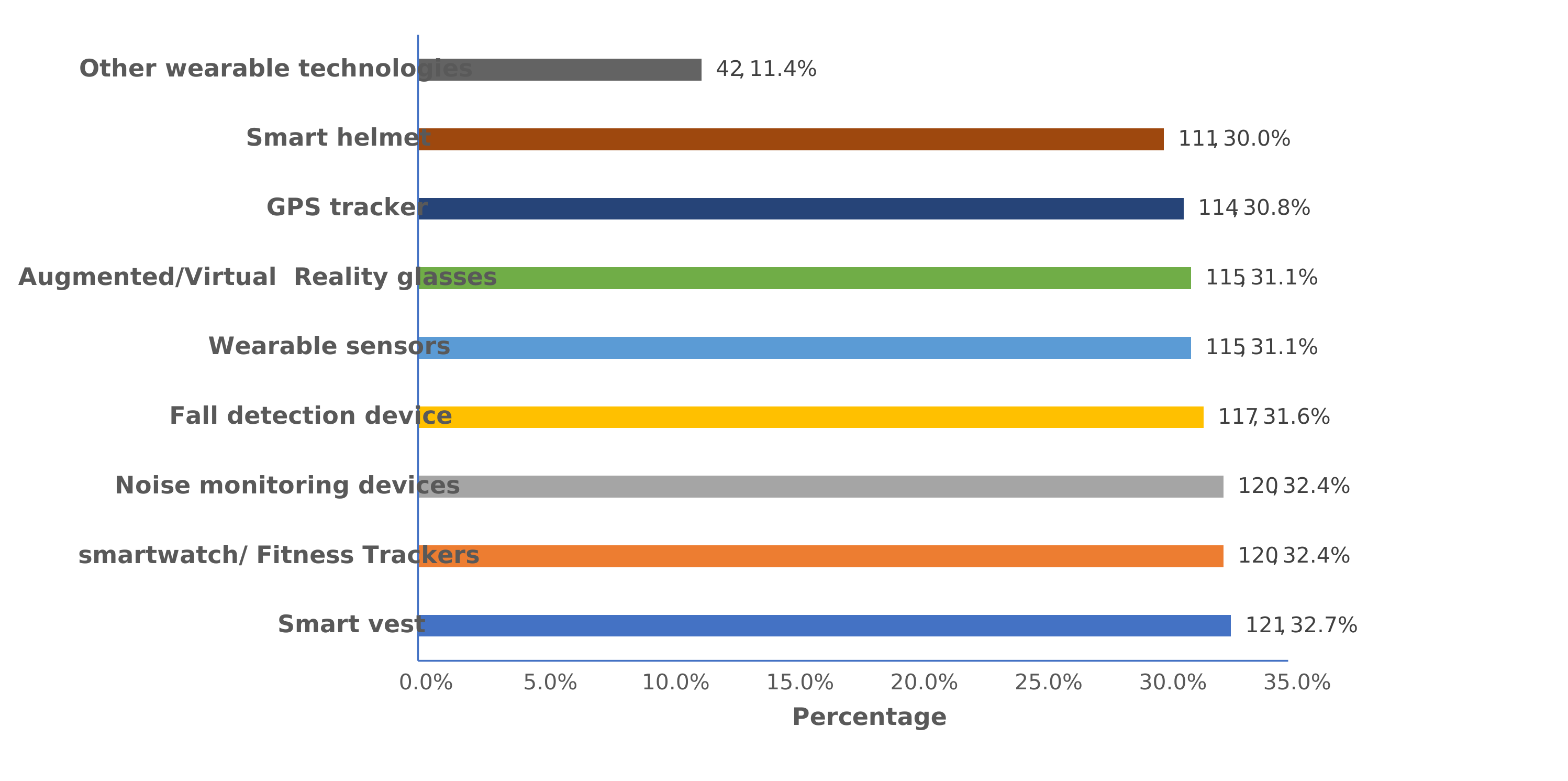
Figure 1 shows that Smart vests were the most commonly used wearable (32.7%), while most other devices, including noise monitors, smartwatches, fall detectors, sensors, AR/VR glasses, GPS trackers, and smart helmets, had similar usage levels (around 30-32%), with other technologies being the least used (11.4%).
3.4. Benefits of Using Wearable Technology
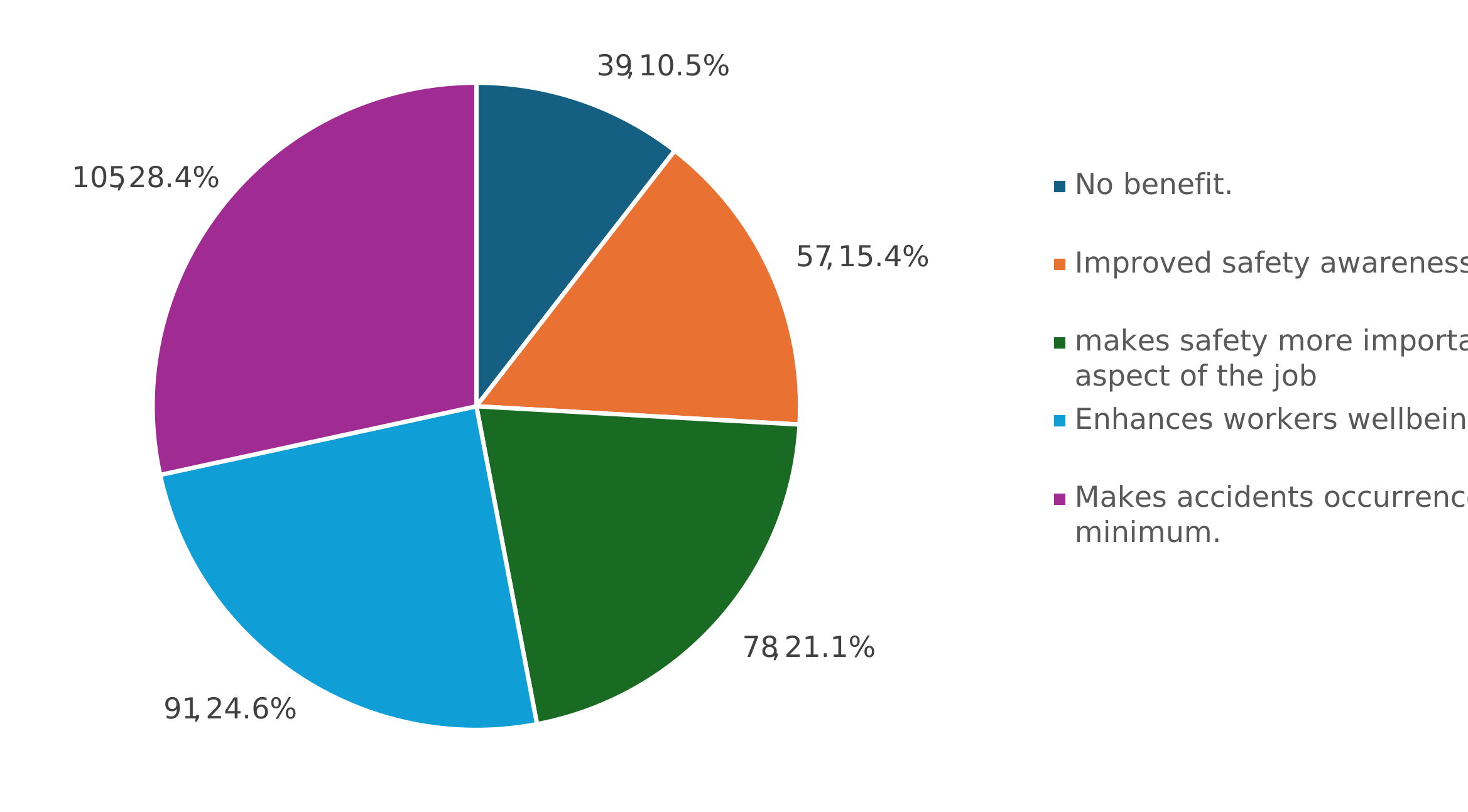
Figure 2 shows the perceived benefits of wearable technology among construction workers: 28.4% cited reduced accident occurrences, 24.6% noted enhanced worker wellbeing, 21.1% felt it prioritizes safety, 15.4% reported improved safety awareness, and 10.5% saw no benefit.
3.5. Challenges Associated with the Use of Wearable Technology in Construction Work
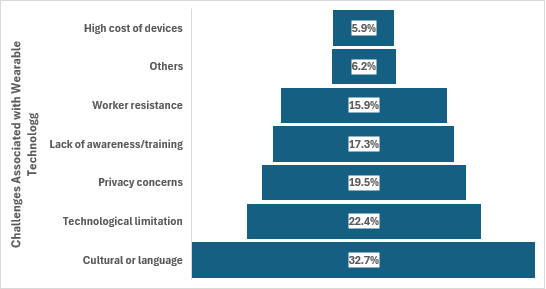
Figure 3 highlights that cultural/language barriers were the most common challenge (32.7%), followed by technological limitations (22.4%) and privacy concerns (19.5%), while cost was the least reported issue (5.9%).
3.6. Improvement in safety and health monitoring among construction workers
Table 3 shows that most respondents reported no improvement in safety and health monitoring (51.4%) and safety culture (67.6%), with a majority also indicating that safety protocols do not adequately protect workers (77.0%). Perceptions of wearable benefits (e.g., fewer incidents, improved monitoring, reduced risks, and better data) were nearly evenly split, while confidence in real-time hazard alerts was exactly 50/50.
3.7. Factors Associated with Improvement in Safety and Health Monitoring among Construction Workers
Table 4 illustrates the bivariate and multivariate analysis of factors associated with improvement in safety and health monitoring among construction workers. Construction workers who used wearable technology were significantly more likely to report improved safety and health monitoring (AOR = 5.937, p < 0.001). High awareness of wearable technology showed a complex relationship, being positively associated in bivariate analysis (COR = 2.843, p < 0.001) but negatively in multivariate analysis (AOR = 0.120, p = 0.009). Supervisors, managers, and others in non-worker roles had significantly greater odds of reporting improvements than frontline construction workers (AOR = 0.058, p = 0.002). Workers with over three years of experience were more likely to report improvements than those with less experience (AOR = 0.268, p = 0.007). Additionally, those involved in commercial projects had higher odds of improvement than those in industrial or infrastructure projects (AOR = 7.495, p = 0.001).
4. Discussion
The study revealed low awareness and limited use of wearable technology for health and safety monitoring among construction workers in Nigeria. This aligns with the findings of Akram et al [19], who also reported poor adoption of innovative technologies in the construction sector. Similarly, Arabshahi et al [20] noted that technological devices are seldom utilized across the industry, highlighting a broader trend of resistance to digital integration [3, 21, 22]. The possible reasons for low awareness of wearable technology could be due to Limited training and safety drills, which may contribute to inconsistent usage. Also, Cultural and language issues may impede understanding of device functionalities. Regarding training, 64.6% reported receiving safety training, which may have covered general workplace safety topics rather than specific instruction on wearable technology. This distinction may explain the observed low awareness of wearable devices (32.4%) despite a high proportion reporting prior training. sParticipation in safety drills or training was notably low, with only 9.7% having participated. Low participation in practical safety drills may be due to a lack of structured training programs, limited on-site enforcement, or to employers prioritizing productivity over regular safety exercises [6, 23]. Construction firms should implement routine, mandatory safety drills alongside instructional training to ensure workers can effectively apply wearable technology in real-world scenarios. The study revealed that only 34.1% of respondents reported overall utilisation of wearable technology based on a 3-item scale, indicating limited practical application on construction sites. This finding aligns with Kabir et al [8], who reported that all 11 types of wearable technologies assessed were perceived as “rarely adopted” in the construction industry. Together, these findings suggest a consistent pattern of low adoption and use, underscoring the need for targeted efforts to improve the integration of wearable technology into safety and health practices [24, 25]. The sentence now reads:Although 34.1% of respondents reported personal use of wearable technology at work, only 18.6% indicated frequent use based on a multi-item scale. However, when directly asked about regular on-site use, 35.7% responded affirmatively. These measures capture different aspects of ‘frequent use’, habitual use versus site-specific regular use. The discrepancy between multi-item scale and site-specific yes/nos underscores the distinction between habitual use and regular on-site application. This highlights that some workers may use wearables occasionally or in specific contexts, which is important for interpreting adoption patterns.” Broader research on wearable health and safety monitoring highlights similar challenges, noting that while awareness and occasional use are rising, consistent and purposeful integration into daily safety routines remains limited due to unclear protocols, lack of structured training, and varying organizational support [5, 26, 27]. Reviews emphasize that without clear guidelines and regular reinforcement, workers may underreport or misunderstand the intended use of wearables for safety, leading to inconsistent data on actual adoption rates [26, 27, 28].
Among the wearable technologies assessed, the smart vest emerged as the most used device, reported by 32.7% of respondents, closely followed by noise monitoring devices and smartwatches or fitness trackers (each at 32.4%), and fall detection devices at 31.6%. These usage rates align with broader trends in wearable adoption, where fitness trackers and smartwatches are consistently among the most popular devices for both health and safety monitoring, largely due to their accessibility and multifunctionality [29, 30]. The most reported benefit of wearable technology was its ability to minimize accident occurrences, as noted by a significant number of respondents. Studies across high-risk sectors like construction, mining, and manufacturing have shown that increased use of wearable technologies correlates with reductions in workplace accidents and improved overall safety management [8, 31]. The most reported challenge to the use of wearable technology was cultural or language barriers, followed by technological limitations. Similarly, Pietro and Ganapati [32] identified key challenges such as design and optimization, sensor data quality, energy sustainability, and concerns around privacy and security.
Research consistently shows that wearable technology has led to a perceived improvement in safety and health monitoring among construction workers, with many acknowledging enhancements in overall site safety culture and a reduction in safety incidents. Wearable devices (such as smart helmets, biometric vests, and environmental sensors) enable real-time monitoring of workers’ health and site conditions, providing timely hazard alerts and health notifications that help prevent accidents and health risks like heat exhaustion [12, 33, 34]. Many workers report increased confidence in the effectiveness of these real-time alerts, and the data collected by wearables offers valuable insights for both immediate interventions and long-term safety planning [35]. Importantly, while traditional safety protocols remain essential, respondents often feel that these alone are insufficient, and that wearable technology fills critical gaps by enabling proactive risk management and personalized safety measures [33, 35]. The integration of wearables has also been credited with fostering a stronger safety culture, as workers and managers become more engaged with safety practices and data-driven decision-making [22, 36]. However, successful adoption depends on addressing challenges such as user comfort, privacy concerns, and seamless integration with existing safety systems [22, 36]. In this study findings, construction workers utilizing wearable technology were much more likely to experience enhanced safety and health monitoring, as indicated by a robust adjusted odds ratio. This underscores the effectiveness of wearable devices in identifying hazards, facilitating prompt interventions, and promoting a safer workplace. Expanding their use across the industry could be achieved through focused awareness campaigns, incentives, and enabling policies [8]. The possible reasons for the higher improvement odds for commercial project workers could stem from better funding, structured management practices, and stricter enforcement of safety regulations Supervisors, managers, and individuals in non-worker roles were significantly more likely to report improvements from the use of wearable technology compared to frontline construction workers. This disparity may reflect differences in exposure to device functionalities, access to data insights, or varying perceptions of safety outcomes across job roles. The finding suggests a possible gap in how the benefits of wearable technology are experienced or communicated among different groups within the construction workforce Workers with over three years of experience were more likely to report improvements from using wearable technology, likely due to their familiarity with site risks and safety practices. Bridging this gap requires targeted training for less-experienced workers to strengthen their understanding and effective use of these technologies [35]. Workers involved in commercial projects were more likely to report improvements from wearable technology compared to those in industrial and infrastructure settings. This difference may reflect stronger management practices or greater investment in safety tools on commercial sites. Extending similar support and integration strategies to industrial and infrastructure projects could help ensure more uniform safety outcomes across the sector
5. Conclusions
This study highlights the potential of wearable technology to enhance safety and health monitoring in Nigeria's construction industry, despite challenges like low awareness, cultural barriers, and technical issues such as discomfort and limited battery life. Wearable devices significantly improve safety outcomes and worker wellbeing, particularly for experienced workers and those on commercial projects. To boost adoption, government support, mandatory usage, increased education, and improved device design and affordability are essential. Integrating wearables into standard safety practices through training and regulatory frameworks can create a safer, healthier construction workforce in Nigeria.
6. Recommendation
Implement Government Support and Legal Frameworks: Establish regulatory measures and policies to standardize and promote the use of wearable technology across construction sites, ensuring compliance and providing incentives for adoption.
Enhance Awareness and Training Programs: Develop targeted educational campaigns and mandatory training sessions to increase awareness and proficiency in using wearable devices, addressing cultural and language barriers to improve worker engagement.
Improve Device Design and Accessibility: Design wearable technologies tailored to Nigeria’s environmental conditions and ensure affordability through subsidies or partnerships, making devices more comfortable and accessible to encourage consistent use.
Authors’ Contributions
Innocent Okwose contributed to the study conception, overall coordination of the research, and drafting of the manuscript.
Ovuoderoye Okpan contributed to the study design, data collection, and interpretation of findings.
Obinna George Uwadileke participated in results interpretation and manuscript review.
Omogiate Precious Osagiemwangbon contributed to the literature review, data collection, and manuscript drafting.
Charles Uzokwe assisted with methodology development and critical revision of the manuscript.
Harrison Akamakusi contributed to data collection, field supervision, and preliminary analysis.
Adewole Ogunbase supported the study design and provided technical input on wearable technology applications.
Olajide Rufus Olaniran contributed to data interpretation and manuscript editing for intellectual content.
Samuel Ugbebor assisted with statistical analysis and presentation of results.
Emmanuel Oleabhiele contributed to literature review and data validation.
Joseph Ojahunwon Ejokpaezi supported data collection and manuscript proofreading.
Valentine Mmereole contributed to ethical considerations, data management, and review of the final draft.
Adewole Joshua Adepoju assisted with methodology refinement and data analysis.
Felix Olaniyi Sanni conceptualised the study, supervised all stages of the research, did the data analysis, wrote the methodology, and critically revised the manuscript for important intellectual content.
Funding
This research received no external funding
Data Availability Statement
The data that support the findings of this study are available from the corresponding author upon reasonable request.
Acknowledgments:
We sincerely appreciate the contributions of all the authors to this study. Their dedication, expertise, and valuable insights were instrumental in shaping this work.
Conflicts of Interest:
The authors declare no conflict of interest.
References
- Tunji-Olayeni PF, Afolabi AO, Olowookere EI, Okpalamoka OI, Oluwatobi AO. Implications of occupational hazards on attainment of the Sustainable Development Goals in the Nigerian Construction Industry. IOP Conf Ser Mater Sci Eng 2019;640. https://doi.org/10.1088/1757-899X/640/1/012129.[CrossRef]
- Awolusi I, Nnaji C, Okpala I, Albert A. Adaptation Behavior of Construction Workers Using Wearable Sensing Devices for Safety and Health Monitoring. J Manag Eng 2024;40.[CrossRef]
- Awolusi I, Marks E, Hallowell M. Wearable technology for personalized construction safety monitoring and trending: Review of applicable devices. Autom Constr 2018;85:96-106. https://doi.org/10.1016/j.autcon.2017.10.010.[CrossRef]
- Cheng Y, Wang K, Xu H, Li T, Jin Q, Cui D. Recent developments in sensors for wearable device applications. Anal Bioanal Chem 2021;413:6037-57. https://doi.org/10.1007/s00216-021-03602-2.[CrossRef] [PubMed]
- Nnaji C, Awolusi I, Park JW, Albert A. Wearable sensing devices: Towards the development of a personalized system for construction safety and health risk mitigation. Sensors (Switzerland) 2021;21:1-25. https://doi.org/10.3390/s21030682.[CrossRef] [PubMed]
- Ahn CR, Lee S, Sun C, Jebelli H, Yang K, Choi B. Wearable Sensing Technology Applications in Construction Safety and Health. J Constr Eng Manag 2019;145. https://doi.org/10.1061/(asce)co.1943-7862.0001708.[CrossRef]
- Balamurugan K, Latchoumi TP, Ezhilarasi TP. Wearables to Improve Efficiency, Productivity, and Safety of Operations. Smart Manuf. Technol. Ind. 4.0, Boca Raton: CRC Press; 2022, p. 75-90. https://doi.org/10.1201/9781003186670-9.[CrossRef]
- Ibrahim K, Simpeh F, Adebowale OJ. Awareness and adoption of wearable technologies for health and safety management in the Nigerian construction industry. Front Eng Built Environ 2024;4:15-28. https://doi.org/10.1108/FEBE-11-2022-0041.[CrossRef]
- Chen H, Mao Y, Xu Y, Wang R. The Impact of Wearable Devices on the Construction Safety of Building Workers: A Systematic Review. Sustainability 2023;15:11165. https://doi.org/10.3390/su151411165.[CrossRef]
- Sultan N. Reflective thoughts on the potential and challenges of wearable technology for healthcare provision and medical education. Int J Inf Manage 2015;35:521-6. https://doi.org/10.1016/j.ijinfomgt.2015.04.010.[CrossRef]
- Umeokafor N. Why copied or transposed safety, health and well-being legislation and standards are impracticable and irrelevant in developing economies. Policy Pract Heal Saf 2020;18:41-54. https://doi.org/10.1080/14773996.2019.1667095.[CrossRef]
- Kukoyi PO, Adebowale OJ. Impediments to Construction Safety Improvement. J Eng Proj Prod Manag 2021;11:207-14. https://doi.org/10.2478/jeppm-2021-0020.[CrossRef]
- Okoye PU, Okolie KC, Ngwu C. Multilevel Safety Intervention Implementation Strategies for Nigeria Construction Industry. J Constr Eng 2017;2017:1-14. https://doi.org/10.1155/2017/8496258.[CrossRef]
- Patel V, Chesmore A, Legner CM, Pandey S. Trends in Workplace Wearable Technologies and Connected‐Worker Solutions for Next‐Generation Occupational Safety, Health, and Productivity. Adv Intell Syst 2022;4. https://doi.org/10.1002/aisy.202100099.[CrossRef] [PubMed]
- Awolusi I, Nnaji C, Marks E, Hallowell M. Enhancing Construction Safety Monitoring through the Application of Internet of Things and Wearable Sensing Devices: A Review. Comput. Civ. Eng. 2019, Reston, VA: American Society of Civil Engineers; 2019, p. 530-8. https://doi.org/10.1061/9780784482438.067.[CrossRef]
- Abuwarda Z, Mostafa K, Oetomo A, Hegazy T, Morita P. Wearable devices: Cross benefits from healthcare to construction. Autom Constr 2022;142:104501. https://doi.org/10.1016/j.autcon.2022.104501.[CrossRef]
- Falola TO. About Nigeria 2024. https://www.britannica.com/place/Nigeria (accessed December 23, 2024).
- Morgan & Krejcie. Sample Size Determination Using Krejcie and Morgan. Kenya Proj Organ 1970;30:1.[CrossRef]
- Akram R, Thaheem MJ, Nasir AR, Ali TH, Khan S. Exploring the role of building information modeling in construction safety through science mapping. Saf Sci 2019;120:456-70. https://doi.org/10.1016/j.ssci.2019.07.036.[CrossRef]
- Arabshahi M, Wang D, Wang Y, Rahnamayiezekavat P, Tang W, Wang X. A governance framework to assist with the adoption of sensing technologies in construction. Sensors 2022;22:260. https://doi.org/10.3390/s22010260.[CrossRef] [PubMed]
- Khakurel J, Melkas H, Porras J. Tapping into the wearable device revolution in the work environment: a systematic review. Inf Technol People 2018;31:791-818. https://doi.org/10.1108/ITP-03-2017-0076.[CrossRef]
- Ejidike CC, Mewomo MC, Anugwo IC. Assessment of construction professionals’ awareness of the smart building concepts in the Nigerian construction industry. J Eng Des Technol 2024;22:1491-504. https://doi.org/10.1108/JEDT-05-2022-0263.[CrossRef]
- Dyreborg J, Lipscomb HJ, Nielsen K, Törner M, Rasmussen K, Frydendall KB, et al. Safety interventions for the prevention of accidents at work: A systematic review. Campbell Syst Rev 2022;18. https://doi.org/10.1002/cl2.1234.[CrossRef] [PubMed]
- Adapa A, Nah FF-H, Hall RH, Siau K, Smith SN. Factors Influencing the Adoption of Smart Wearable Devices. Int J Human-Computer Interact 2018;34:399-409. https://doi.org/10.1080/10447318.2017.1357902.[CrossRef]
- Seneviratne S, Hu Y, Nguyen T, Lan G, Khalifa S, Thilakarathna K, et al. A Survey of Wearable Devices and Challenges. IEEE Commun Surv Tutorials 2017;19:2573-620. https://doi.org/10.1109/COMST.2017.2731979.[CrossRef]
- Kazanskiy NL, Khonina SN, Butt MA. A review on flexible wearables - Recent developments in non-invasive continuous health monitoring. Sensors Actuators A Phys 2024;366:114993. https://doi.org/10.1016/j.sna.2023.114993.[CrossRef]
- Lu L, Zhang J, Xie Y, Gao F, Xu S, Wu X, et al. Wearable Health Devices in Health Care: Narrative Systematic Review. JMIR MHealth UHealth 2020;8:e18907. https://doi.org/10.2196/18907.[CrossRef] [PubMed]
- Yetisen AK, Martinez‐Hurtado JL, Ünal B, Khademhosseini A, Butt H. Wearables in Medicine. Adv Mater 2018;30. https://doi.org/10.1002/adma.201706910.[CrossRef] [PubMed]
- Huhn S, Axt M, Gunga H-C, Maggioni MA, Munga S, Obor D, et al. The Impact of Wearable Technologies in Health Research: Scoping Review. JMIR MHealth UHealth 2022;10:e34384. https://doi.org/10.2196/34384.[CrossRef] [PubMed]
- Chandrasekaran R, Katthula V, Moustakas E. Patterns of Use and Key Predictors for the Use of Wearable Health Care Devices by US Adults: Insights from a National Survey. J Med Internet Res 2020;22:e22443. https://doi.org/10.2196/22443.[CrossRef] [PubMed]
- Aksüt G, EREN T, ALAKAŞ HM. Using wearable technological devices to improve workplace health and safety: An assessment on a sector base with multi-criteria decision-making methods. Ain Shams Eng J 2024;15:102423. https://doi.org/10.1016/j.asej.2023.102423.[CrossRef]
- Mercati P, Bhat G. Self-Sustainable Wearable and Internet of Things (IoT) Devices for Health Monitoring: Opportunities and Challenges. IEEE Des Test 2025;42:35-60. https://doi.org/10.1109/MDAT.2024.3432862.[CrossRef]
- Chen H, Mao Y, Xu Y, Wang R. The Impact of Wearable Devices on the Construction Safety of Building Workers: A Systematic Review. Sustainability 2023;15:11165. https://doi.org/10.3390/su151411165.[CrossRef]
- Nnaji C, Awolusi I, Park J, Albert A. Wearable Sensing Devices: Towards the Development of a Personalized System for Construction Safety and Health Risk Mitigation. Sensors 2021;21:682. https://doi.org/10.3390/s21030682.[CrossRef] [PubMed]
- Al-Hashimy HNH, Yao J. The moderating effect of internet of things and wearable technologies on enhancing safety management in construction sites. Constr Innov 2025. https://doi.org/10.1108/CI-10-2024-0318.[CrossRef]
- Okpala I, Nnaji C. Insidious risks of wearable robots to worker safety and health: A scoping review. J Safety Res 2024;88:382-94. https://doi.org/10.1016/j.jsr.2023.11.010.[CrossRef] [PubMed]