
Abstract
Conventional cyclone risk assessments in Small Island Developing States (SIDS) systematically fail to predict food system collapse locations, leading to misallocated adaptation investments. This study quantifies a fundamental exposure-impact disconnect across Vanuatu's 71 area councils: cyclone exposure explains only 14% of food security impact variance (R² = 0.14, r = 0.38), with topographic, agro-ecological, and infrastructure mediators determining the remaining 86%. Using data from five Category 4–5 cyclones (2015–2023), we constructed a Hazard Exposure Index (HEI; proximity 40%, intensity 35%, frequency 25%) and an Impact Severity Index (ISI; four equally weighted dimensions: agriculture, infrastructure, food insecurity, recovery). Regression with interaction terms reveals three mediating mechanisms. First, topographic elevation reduces ISI by 40–60% at highland area councils (>400 m) relative to coastal equivalents at comparable HEI (r = −0.54, p < 0.001). Second, crop diversity buffers medium-exposure zones (HEI 0.3–0.6; β = −0.082, p = 0.018) but provides no significant protection under extreme cyclone loading (HEI > 0.7), consistent with resilience theory stability thresholds. Third, infrastructure capacity generates hidden hotspots: Torba province (low exposure, ISI = 0.34) required a median 18 days to reach 50% of affected households versus 6 days in Shefa (high exposure, ISI = 0.61) — a threefold differential driven solely by maritime connectivity deficits. High-exposure provinces with strong infrastructure systematically outperform low-exposure provinces with distribution network weaknesses. A Food Security Resilience Index (FSRe; range: 46–61 on a 0–100 scale) reveals stark provincial heterogeneity — Sanma as buffered regional hub (FSRe = 61) versus Tafea and Shefa as critical/fragile (FSRe 46–47) — enabling a four-category spatial typology for targeted adaptation investments under SIDS fiscal constraints. Findings demonstrate that spatially explicit integration of topography, agro-ecology, and infrastructure is essential for efficient climate adaptation planning in archipelago SIDS, with direct implications for Sendai Framework Target E national DRR strategy development and Green Climate Fund adaptation investment prioritization.
Résumé
Les évaluations conventionnelles des risques cycloniques dans les Petits États Insulaires en Développement (PEID) échouent systématiquement à prédire les zones d'effondrement des systèmes alimentaires, conduisant à une allocation inefficace des investissements d'adaptation. Cette étude quantifie un découplage fondamental entre exposition et impact à travers les 71 zones administratives du Vanuatu : l'exposition cyclonique n'explique que 14% de la variance des impacts sur la sécurité alimentaire (R² = 0,14, r = 0,38), les facteurs médiateurs topographiques, agro-écologiques et infrastructurels déterminant les 86% restants. À partir de données issues de cinq cyclones de catégorie 4–5 (2015–2023), nous avons construit un Indice d'Exposition aux Aléas (IEA ; proximité 40%, intensité 35%, fréquence 25%) et un Indice de Sévérité des Impacts (ISI ; quatre dimensions de pondération égale : agriculture, infrastructures, insécurité alimentaire, durée de récupération). La régression avec termes d'interaction révèle trois mécanismes médiateurs. Premièrement, l'élévation topographique réduit l'ISI de 40 à 60% dans les conseils de zone de haute altitude (> 400 m) par rapport aux équivalents côtiers à exposition comparable (r = −0,54, p < 0,001). Deuxièmement, la diversité des cultures amortit les impacts dans les zones d'exposition moyenne (IEA 0,3–0,6 ; β = −0,082, p = 0,018), mais n'offre aucune protection significative sous des charges cycloniques extrêmes (IEA > 0,7), conformément aux seuils de stabilité de la théorie de la résilience. Troisièmement, la capacité infrastructurelle génère des « points chauds cachés » : la province de Torba (faible exposition, ISI = 0,34) a nécessité un délai médian de 18 jours pour atteindre 50% des ménages affectés, contre 6 jours dans la province de Shefa (forte exposition, ISI = 0,61) — un différentiel de trois fois supérieur imputable exclusivement aux déficits de connectivité maritime. Les provinces fortement exposées mais disposant d'infrastructures solides surpassent systématiquement les provinces faiblement exposées présentant des lacunes dans les réseaux de distribution. Un Indice de Résilience de la Sécurité Alimentaire (IRSAl ; plage : 46–61 sur une échelle de 0 à 100) révèle une hétérogénéité provinciale marquée — Sanma comme pôle régional tamponné (IRSAl = 61) contre Tafea et Shefa en situation critique/fragile (IRSAl 46–47) — permettant l'élaboration d'une typologie spatiale en quatre catégories pour le ciblage des investissements d'adaptation dans le contexte des contraintes budgétaires des PEID. Ces résultats démontrent que l'intégration spatialement explicite de la topographie, de l'agro-écologie et des infrastructures est essentielle pour une planification efficace de l'adaptation climatique dans les PEID archipelagiques, avec des implications directes pour le développement des stratégies nationales de réduction des risques de catastrophes (Cible E du Cadre de Sendai) et la priorisation des investissements d'adaptation du Fonds Vert pour le Climat.
Mots-clés: cyclones tropicaux; sécurité alimentaire; Vanuatu; vulnérabilité spatiale; résilience des infrastructures; adaptation climatique
1. Introduction
Small Island Developing States (SIDS) face convergent climate vulnerabilities including geographic isolation, limited land area, low elevation, and heavy dependence on climate-sensitive subsistence agriculture (FAO, 2022) [1]. Vanuatu exemplifies this acute vulnerability: 2.5 annual cyclones, 87% subsistence-dependent households, and devastating recent impacts from TC Pam (2015, USD 449M damages = 64% GDP, 96% crop destruction in southern provinces), TC Harold (2020), and twin TC Judy-Kevin and Lola (2023). Agricultural losses comprise 40-60% of total cyclone damages, cascading across food production, distribution networks, market access, and household nutrition. Current hazard-centric risk assessments rely primarily on cyclone tracks, wind fields, and storm surge projections, embodying three critical limitations: assuming exposure determines impact, ignoring agro-ecological and infrastructure heterogeneity that mediates outcomes, and missing 'hidden hotspots' where modest hazards intersect structural vulnerabilities to produce protracted food insecurity. Pacific evidence documents substantial exposure-impact divergence, with high-exposure locations sustaining stability through topographic shielding or infrastructure advantages while lower-exposure areas experience severe disruption from distribution failures (Dey et al., 2022; Campbell et al., 2021) [2, 3].
This study addresses these limitations through three objectives: (1) quantify spatial divergence between cyclone exposure and food system impacts across 71 area councils, (2) test mechanisms through which topography, agro-ecology, and infrastructure mediate these relationships, (3) derive spatial resilience gradient enabling targeted adaptation investments. Five hypotheses guide analysis: H1 high-elevation area councils exhibit lower ISI at comparable HEI (topographic buffering); H2 crop diversity reduces ISI in medium-exposure zones (agro-ecological buffering with capacity limits); H3 better infrastructure reduces impacts independent of exposure (distribution capacity mediation); H4 low-exposure areas with infrastructure deficits experience higher ISI than some high-exposure areas (hidden hotspots validation); H5 integrating dimensions yields coherent resilience typology (spatial gradient synthesis). Demonstrating that exposure explains only 14% of impact variance validates vulnerability-explicit frameworks essential for efficient adaptation resource allocation under SIDS fiscal constraints (Vanuatu: USD 350M annual budget, 319K population, 60% food imports) (IFAD, 2025) [4].
2. Methods
2.1. Study area and events
Vanuatu comprises 83 islands spanning 12,189 km² land area across 680,000 km² ocean territory, with population of 319,137 (75% rural, 87% subsistence agriculture), organized into six provinces: Torba (northern), Sanma, Penama, Malampa, Shefa (containing capital Port Vila), and Tafea (southern). Topography ranges from low-lying coral and reef islands to mountainous islands reaching 1,879m elevation (Mount Tabwemasana, Espiritu Santo). The archipelago lies within the South Pacific tropical cyclone basin, experiencing mean 2.5 Category 3+ cyclones annually.
Figure 1 presents the study area, showing Vanuatu's six provinces with elevation gradients and cyclone track density from 2015-2023. The map illustrates the geographic context of our analysis, highlighting the archipelago's mountainous terrain and the spatial distribution of cyclone exposure across provinces.
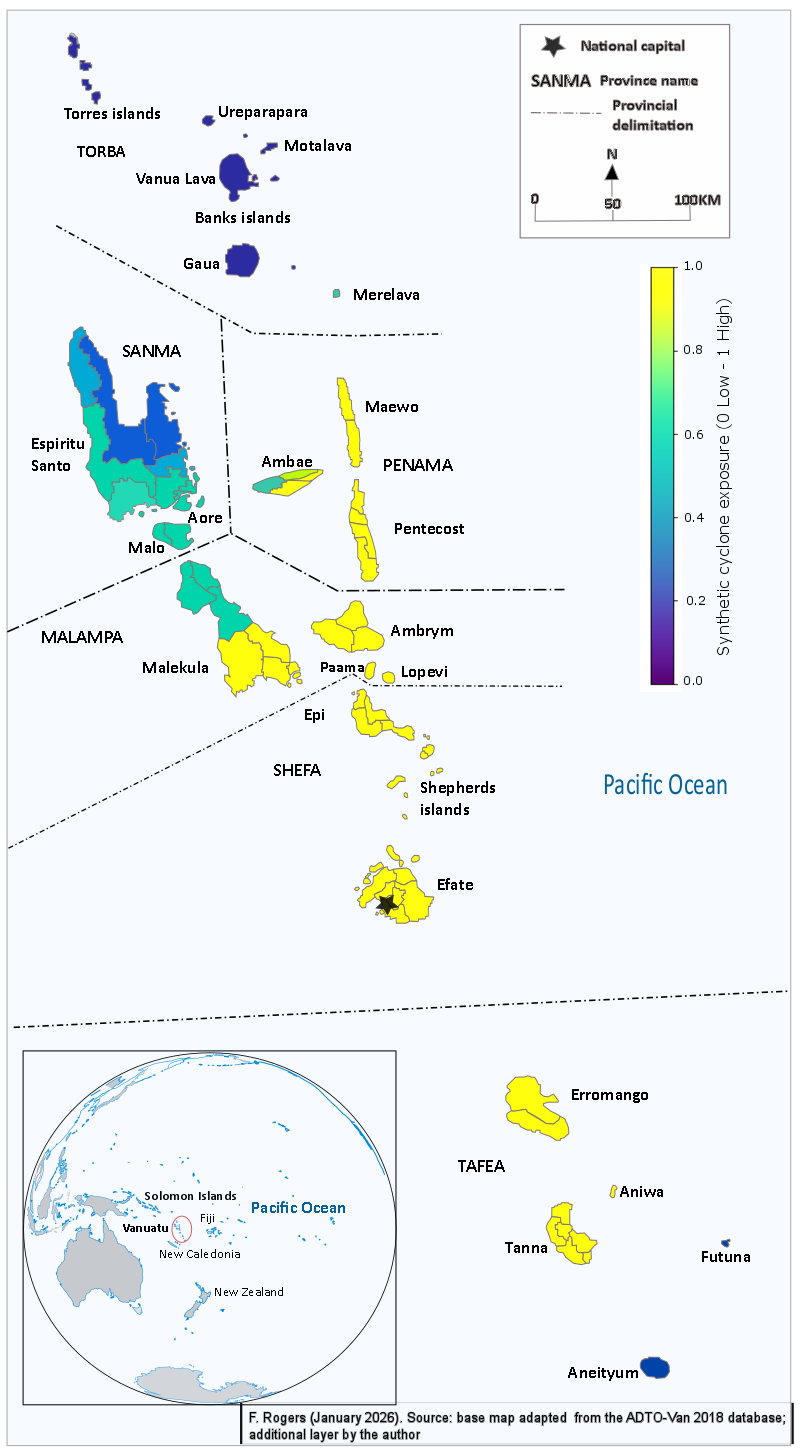
Figure 1: Vanuatu's archipelago geography creates a structurally differentiated cyclone exposure landscape that cannot be reduced to a single national risk profile. The pronounced north-to-south exposure gradient — from low-frequency northern Torba (mean HEI = 0.28) to high-frequency southern Tafea (mean HEI = 0.82) — combined with stark coastal-interior contrasts within individual islands, establishes the spatial foundation for the exposure-impact mismatches this study quantifies. These geographic contrasts make Vanuatu an analytically ideal case for testing whether topographic, agro-ecological, and infrastructure mediators systematically override raw hazard exposure as determinants of food security outcomes.
2.2. Data Sources and Index Construction
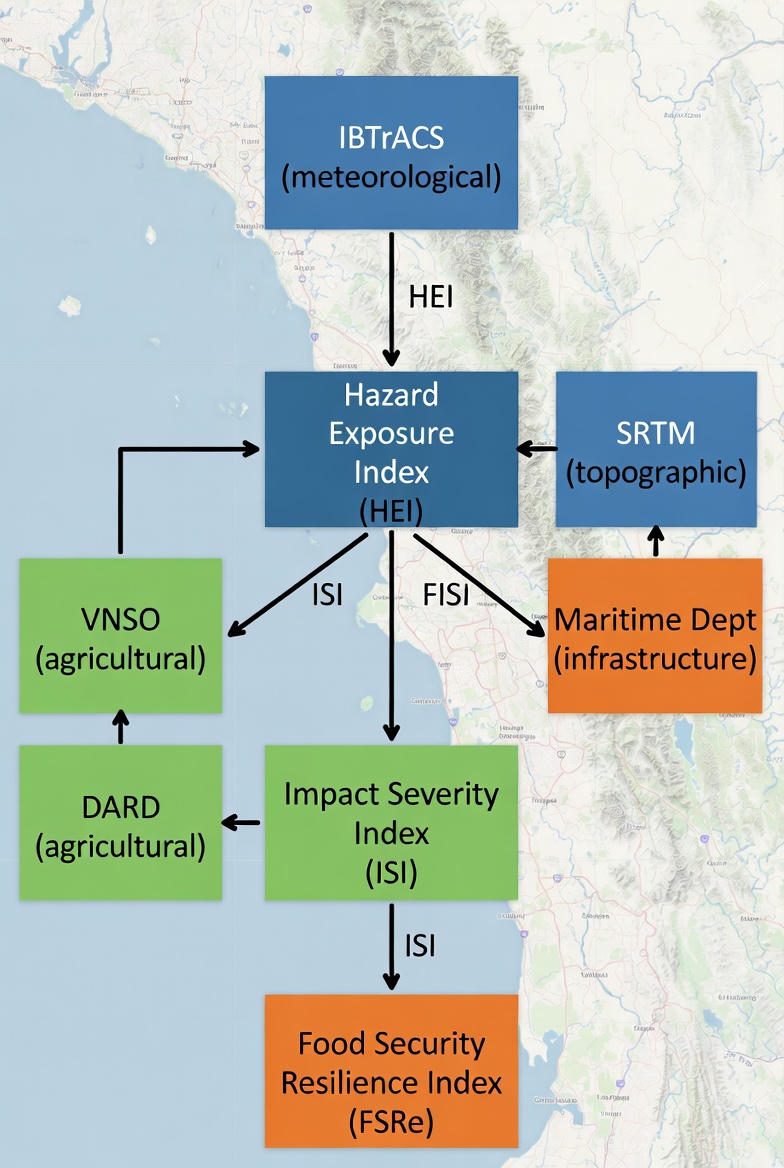
This study integrates five categories of spatial and temporal data to construct three composite indices measuring cyclone exposure, food system impact severity, and provincial resilience capacity. Together, these data streams cover the period 2015–2023, spanning five Category 4–5 cyclone events, and are aggregated to Vanuatu's 71 area councils as the primary unit of analysis.
Cyclone meteorological data are drawn from IBTrACS v4 (NOAA) [5], which provides 6-hourly best track positions, intensity, and wind radii for all events; supplemented by the Vanuatu Meteorology and Geo-Hazards Department (VMGD) [6] database offering 3-hourly local resolution; and the Holland wind field model, which estimates area council-level wind exposure from track and intensity inputs.
Impact data are sourced from Post-Disaster Needs Assessments (PDNA, 2015, 2020), Food Security and Agriculture Cluster (FSAC) [7] rapid assessments covering all five events, National Disaster Management Office (NDMO) [8] situation reports, and VMGD [9] post-cyclone surveys. It should be noted that Tropical Cyclone Pam (2015) is the most comprehensively documented event — supported by full PDNA, satellite damage analysis, and FSAC [10] field surveys — while TC Harold (2020) and TC Judy-Kevin/Lola (2023) have more limited area council-level granularity. Findings drawing on multi-event comparisons are interpreted with this data asymmetry explicitly in view.
Agricultural data are compiled from the Vanuatu Agriculture Census (2022), the FAO Agricultural Database (2015–2022), and Department of Agriculture and Rural Development (DARD) provincial reports. The Crop Diversity Index (CDI) is calculated following Sardos et al. (2015) [11], incorporating species richness, varietal diversity, and Shannon evenness across household production systems.
Infrastructure data are drawn from the Vanuatu National Statistics Office (VNSO) [12] 2020 census, field-validated OpenStreetMap road networks, inter-island shipping schedules, and port facility inventories compiled from Maritime Department records.
Topographic data are derived from the Shuttle Radar Topography Mission (SRTM) 90 m digital elevation model (DEM), providing elevation, slope, and topographic position for all area councils. Based on these data, area councils are classified into three terrain categories: coastal (<5 km from coastline, <100 m elevation), interior-lowland (>5 km from coast, <200 m), and interior-highland (>5 km from coast, >200 m) — a classification that forms the basis of topographic buffering analysis in Section 3.1.
2.2.1. Hazard Exposure Index (HEI): Construction and Weighting Justification
The Hazard Exposure Index (HEI) quantifies cumulative cyclone forcing at the area council level by combining three complementary physical characteristics of cyclone events:
HEI = 0.40 × Proximity Index + 0.35 × Intensity Index + 0.25 × Frequency Index
Where:
Proximity Index = 1 − (minimum distance to cyclone track centerline / 500 km reference distance)
Intensity Index = maximum sustained wind speed / 250 km/h reference intensity
Frequency Index = number of Category 4–5 events 2015–2023 / 5 maximum events
Each component is independently normalized to a 0–1 range prior to combination; the weighted average produces HEI scores ranging 0–1, where higher values indicate greater cumulative cyclone exposure. The 500 km and 250 km/h reference values represent the outer boundary of significant agricultural wind damage and the upper observed intensity bound respectively, ensuring all components remain within physically meaningful ranges.
Weighting justification: Component weights were established through structured expert elicitation with VMGD in May 2023. A panel of eight VMGD meteorologists and disaster risk management specialists participated in a two-round Delphi-style consultation. In Round 1, participants independently allocated 100 points across the three components based on their assessed importance for food system vulnerability; Round 2 incorporated consensus feedback and permitted refinement of initial judgments. The panel consensus established proximity (40%) and intensity (35%) as nearly equally critical for determining immediate agricultural damage and infrastructure disruption, while frequency (25%) captures cumulative stress on farming systems and long-term recovery capacity. These weights were further validated against TC Pam (2015) damage patterns, where the greatest agricultural devastation occurred in areas experiencing both eyewall passage and extreme sustained winds (270 km/h), empirically justifying the combined 75% weight assigned to the two physical forcing factors. The weighting prioritizes event magnitude over recurrence frequency because occasional extreme events cause disproportionately greater and longer-lasting damage than repeated moderate events in SIDS subsistence agricultural systems.
2.2.2. Impact Severity Index (ISI): Construction and Sensitivity Analysis
Building on the exposure characterization provided by HEI, the Impact Severity Index (ISI) measures realized food system disruption — capturing not what a cyclone could do, but what it demonstrably did across four dimensions of food security:
ISI = ¼ (Agricultural Damage + Infrastructure Disruption + Household Food Insecurity + Recovery Duration)
Where:
Agricultural Damage (0–1): normalized composite of crop loss percentage (0–100%), perennial tree crop damage severity (0–100%), and livestock mortality rates (0–100%)
Infrastructure Disruption (0–1): normalized composite of road/bridge damage requiring repairs, storage facility destruction, and duration of market closure (days)
Household Food Insecurity (0–1): normalized composite of percentage of population requiring food assistance, change in malnutrition prevalence post-event (percentage points), and reported food consumption gaps (FSAC [13] severity assessments)
Recovery Duration (0–1): normalized as (months to pre-event production levels / 24-month maximum), capped at 1.0 for recovery exceeding two years
Each dimension is independently normalized to the 0–1 range; the simple average yields ISI scores (0–1), where higher values indicate more severe and protracted food system disruption. Comparing HEI and ISI values across the same area councils — the core analytical operation of this study — directly quantifies the exposure-impact divergence that motivates the research.
Equal weighting of the four ISI dimensions reflects the multidimensional nature of food security as defined in the food security literature (FAO, 2022) [1]: a system achieving rapid agricultural recovery may still experience acute household food insecurity where market closure and distribution failures persist, particularly among asset-poor populations dependent on market purchases. Equal weighting avoids privileging any single pathway and aligns with the consensus that production, distribution, access, and utilization dimensions require simultaneous assessment.
To validate robustness of the equal-weighting assumption, a sensitivity analysis was conducted varying each ISI dimension's weight by ±20% while maintaining the constraint that all four dimensions sum to 100%. The directional pattern of provincial ISI rankings — and by extension the core exposure-impact divergence finding (R² = 0.14) — remained consistent across all tested weight permutations, confirming that the equal-weighting choice does not materially alter the study's principal conclusions regarding topographic buffering, agro-ecological thresholds, or infrastructure hidden hotspot identification. Full sensitivity results are reported in Supplementary Table 1.
2.2.3. Food Security Resilience Index (FSRe): Construction and Sensitivity Analysis
Whereas HEI and ISI measure hazard forcing and realized disruption respectively, the Food Security Resilience Index (FSRe) synthesizes both alongside structural mediating dimensions to characterize each province's overall capacity to withstand and recover from cyclone-driven food system shocks. FSRe thus operationalizes the study's central argument: that resilience cannot be reduced to low exposure but requires simultaneous buffering across topographic, agro-ecological, and infrastructural dimensions.
FSRe = 30 × (1−HEI) + 30 × Agricultural Capacity + 25 × Infrastructure Capacity + 15 × Recovery Speed
Where:
Hazard Exposure dimension (30%, inverse-coded): (1 − HEI) × 100, so that lower cyclone exposure yields a higher FSRe contribution
Agricultural Adaptive Capacity dimension (30%): weighted composite of production per capita (50%), Crop Diversity Index normalized 0–3 to 0–100 (30%), and agroforestry prevalence as percentage of cultivated area (20%)
Infrastructure and Distribution Capacity dimension (25%): weighted composite of inverse port access time (30%), shipping frequency (30%), road density (20%), and storage facility presence/capacity (20%)
Demonstrated Recovery Speed dimension (15%): composite of post-cyclone humanitarian distribution efficiency (time to reach 50% of affected population, inverse) and agricultural production recovery duration (months to pre-event levels, inverse)
Each component is normalized to a 0–100 scale, then weighted and summed to produce FSRe scores ranging 0–100, where higher values indicate greater food system resilience. Four categories are defined for interpretation and spatial mapping: Buffered stronghold (FSRe ≥ 60); Moderate resilience (FSRe 55–60); Elevated risk (FSRe 50–55); Critical/fragile (FSRe < 50).
Weighting rationale and sensitivity analysis: The 30%–30%–25%–15% weighting reflects both statistical importance — informed by regression effect sizes from the interaction models — and policy relevance, specifically the availability of practical adaptation levers to decision-makers in SIDS contexts. Hazard exposure and agricultural capacity receive equal maximum weight (30%), recognizing that resilience requires simultaneously addressing external forcing and internal productive capacity; privileging either alone would misrepresent the compound nature of vulnerability documented in this study. Infrastructure capacity (25%) reflects its empirically demonstrated role as the dominant mediator in moderate-exposure contexts (Section 3.3). Recovery speed (15%) receives lower weight due to measurement constraints arising from limited multi-event longitudinal data, though its inclusion ensures that demonstrated adaptive performance — not just structural capacity — contributes to the composite score. Sensitivity analysis varying all FSRe weights by ±20% confirms provincial rankings are stable (Spearman ρ > 0.88), with only minor boundary shifts between adjacent categories — validating robustness to reasonable weighting specification uncertainty.
2.3. Analytical Strategy
The three composite indices are analyzed through an integrated spatial-statistical framework designed to test the five mediation hypotheses stated in Section 1. Spatial analysis was conducted in QGIS 3.28 and GeoDa 1.20, encompassing Local Indicators of Spatial Association (LISA) for spatial clustering detection, kernel density estimation for cyclone track hotspot mapping, and spatial overlay analysis for index cross-comparison across area councils. Statistical analysis employs multiple regression with interaction terms — the primary tool for testing whether topography, agro-ecology, and infrastructure moderate the HEI–ISI relationship — implemented in R 4.3 using spatial lag models to explicitly account for geographic autocorrelation among neighboring area councils.
The full regression model specification — including all three interaction terms (HEI×Elevation, HEI×CDI, HEI×Infrastructure), degrees of freedom, F-statistic, AIC values, and variance inflation factors confirming absence of multicollinearity — is reported in Supplementary Table 1. Robustness checks include bootstrapped standard errors (1,000 iterations) guarding against non-normality in the impact distribution, sensitivity analysis varying index weights ±20% across both ISI and FSRe specifications, and cross-validation using leave-one-out provincial subsets to assess the influence of any single province on model estimates. The significance threshold is set at α = 0.05 throughout; all results report standardized coefficients (β) to enable direct cross-variable comparison of mediator effect sizes.
3. Results
3.1. Spatial exposure-impact divergence
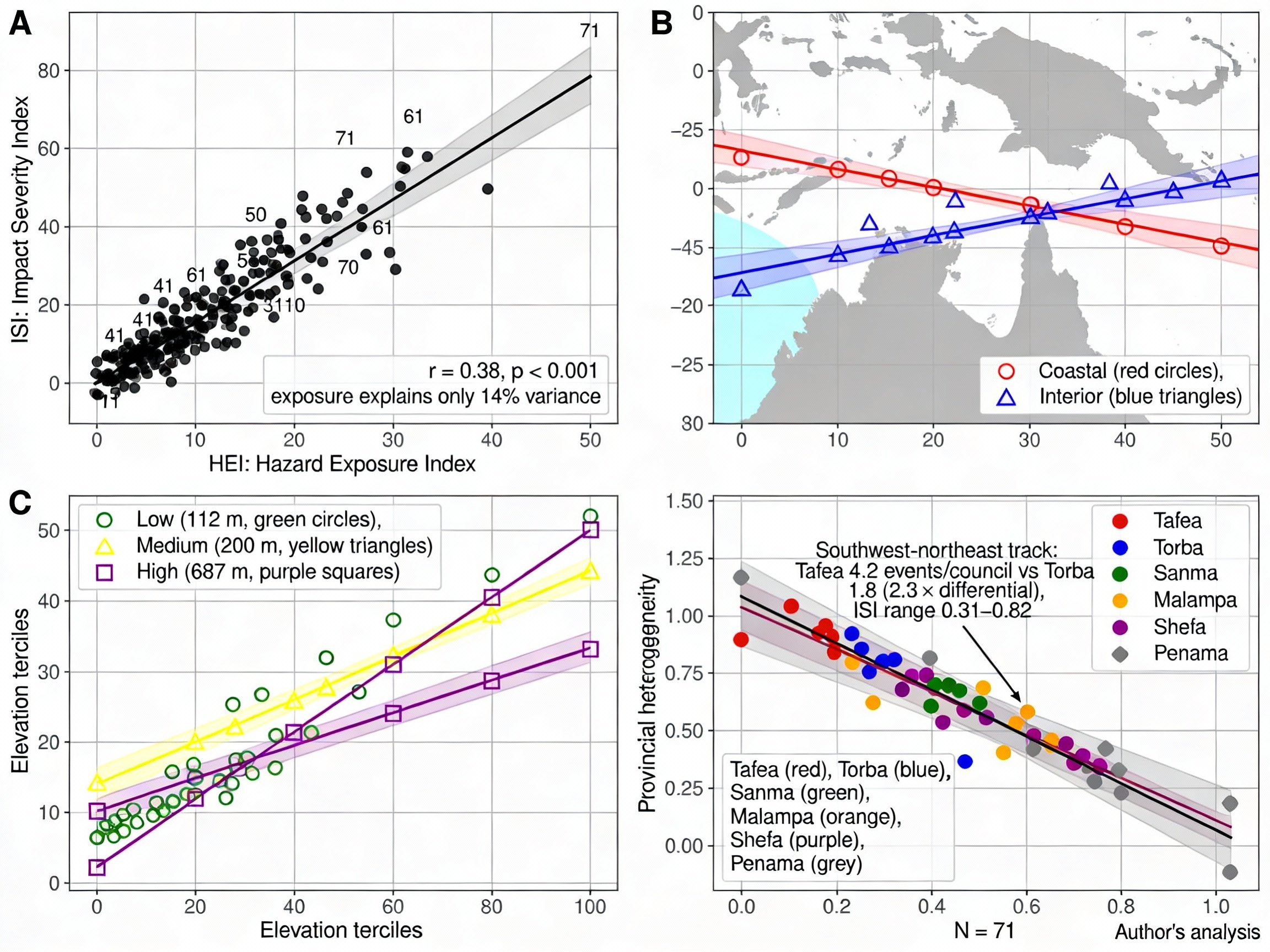
Cyclone exposure patterns across Vanuatu's 71 area councils demonstrate clear geographic gradients, with southern provinces experiencing substantially higher cumulative exposure. Mean HEI values range from 0.28 (northern Torba) to 0.82 (southern Tafea), reflecting Tafea's location in the main cyclone corridor where tracks converge during both early-season (November-January) and late-season (March-April) peaks. Sanma and Malampa provinces exhibit moderate exposure (HEI 0.42-0.51), while Penama and Shefa show intermediate values (HEI 0.55-0.61). Within provinces, coastal area councils consistently register higher HEI than interior highland councils due to greater wind exposure and storm surge vulnerability.
The relationship between exposure and impacts reveals a critical disconnect. Figure 3 examines how topographic elevation moderates this relationship across all 71 area councils, demonstrating that elevation functions as a first-order mediator of cyclone impacts.
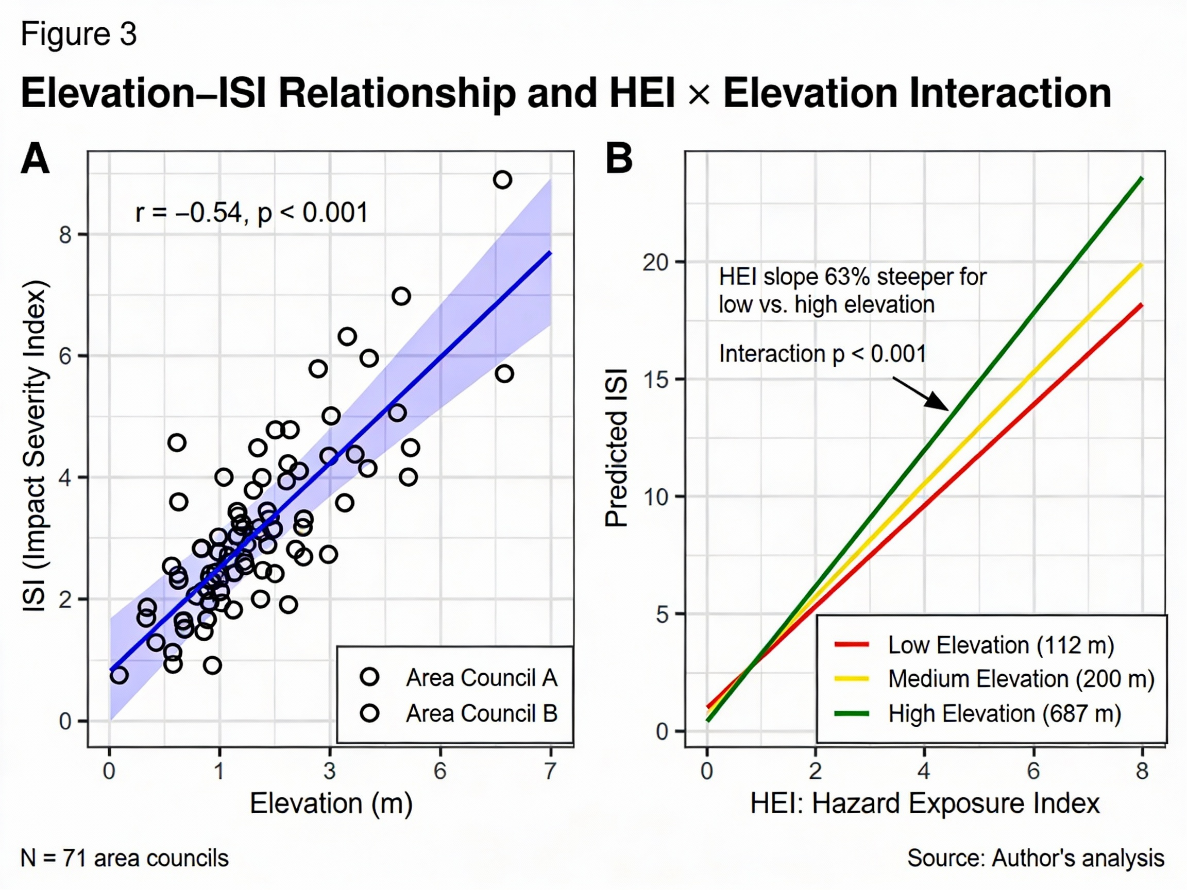
Figure 3: Topographic elevation is a first-order mediator of cyclone food system impacts across Vanuatu's 71 area councils — not merely a confounding variable. Highland area councils (>400 m) sustain 40–60% lower impact severity than coastal equivalents at identical cyclone exposure levels (r = −0.54, p < 0.001), and the strength of the HEI–ISI relationship itself weakens by 63% with increasing elevation — confirming that topographic positioning fundamentally restructures hazard-to-impact pathways and that any vulnerability assessment omitting elevation will systematically misclassify highland councils as high-risk.
Moving beyond elevation alone, Figure 4 presents a comprehensive view of the exposure-impact mismatch across multiple dimensions, revealing the spatial complexity that challenges uniform vulnerability assessments.
3.2. Agricultural production patterns and spatial mismatches
Agricultural production capacity varies substantially across Vanuatu's provinces, creating a critical spatial mismatch between food production potential and cyclone exposure risk. This mismatch has profound implications for food security resilience, as high-exposure provinces often depend on inter-provincial food flows from lower-exposure production hubs.
Table 1 presents provincial agricultural production data and per capita root crop availability, revealing the production-exposure spatial mismatch that drives inter-provincial food system dependencies.
3.3. Agro-ecological buffering mechanisms
Crop diversity emerges as a significant resilience factor, but with clear capacity limits under extreme cyclone exposure. The Crop Diversity Index (CDI) captures species richness, varietal diversity, and evenness of distribution across household production systems.
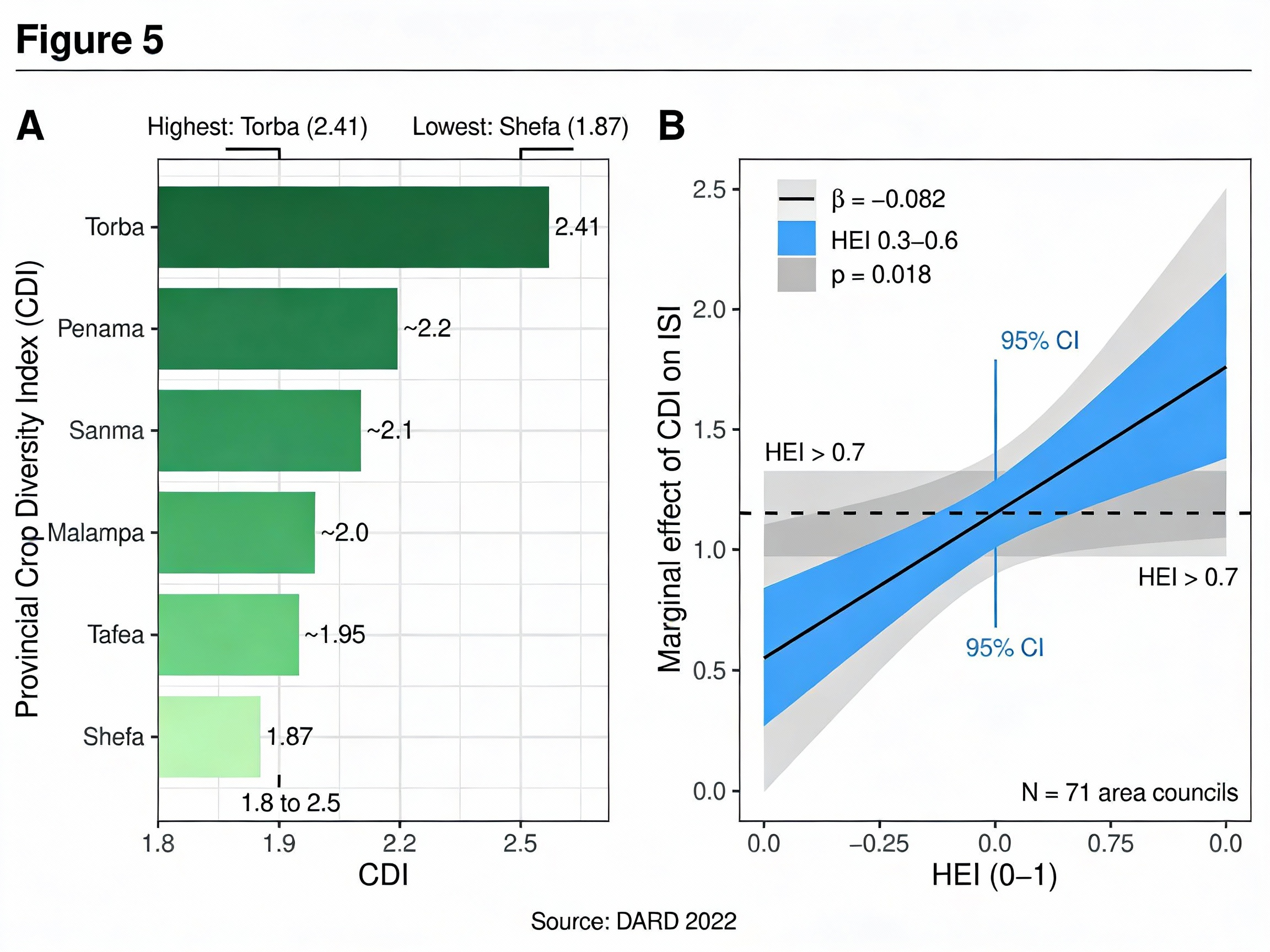
Figure 5 illustrates provincial variation in crop diversity and demonstrates how diversity moderates the exposure-impact relationship within specific exposure ranges.
3..3.1. Crop diversity buffering with capacity limits
Crop Diversity Index analysis reveals substantial provincial variation, ranging from 2.41 (Torba maintaining traditional multi-cropping with 12–15 species per household) to 1.87 (Shefa more specialized peri-urban production). Regression analysis incorporating interaction terms shows that CDI moderates the HEI-ISI relationship specifically in medium-exposure contexts (HEI 0.3–0.6):
- Each 0.1-unit CDI increase corresponds to 0.08-unit ISI reduction (β = −0.082, p = 0.018) and 12-day recovery acceleration (measured as time to pre-event production levels)
- Area Councils with CDI > 2.2 exhibit mean ISI 0.41 versus 0.56 for CDI < 1.9, a 27% differential in impact severity attributable to agricultural diversity
Critically, this buffering capacity is overwhelmed under extreme exposure. When HEI exceeds 0.7 (highest intensity cyclones such as Category 5 storms with eyewall passage), crop diversity provides no statistically significant protection: ISI remains high (mean 0.71) regardless of CDI level. This threshold effect aligns with resilience theory predictions that adaptive capacity becomes irrelevant when disturbance intensity exceeds system stability domain boundaries - diversified farming systems cannot recover from total crop loss regardless of how many species were planted.
3.4. Infrastructure and hidden vulnerability
Infrastructure capacity emerges as perhaps the most critical mediator of food security outcomes, particularly in low-to-moderate exposure contexts where distribution networks determine whether modest cyclone damage translates to brief disruption or protracted food insecurity. Post-cyclone humanitarian response performance reveals dramatic provincial heterogeneity driven primarily by maritime connectivity and port access rather than cyclone exposure severity.
Table 2 documents provincial humanitarian distribution performance following Cyclone Pam (2015), the most comprehensively documented event, revealing the stark infrastructure-driven disparities in food aid delivery.
Table 2 validates the "hidden hotspots" hypothesis (H4), demonstrating that maritime infrastructure constraints — rather than cyclone exposure magnitude — are the primary determinant of post-disaster food aid delivery performance. Torba province required a median of 18.3 days to reach 50% of affected households, nearly three times longer than infrastructure-advantaged Shefa province (6.2 days), despite experiencing substantially lower cyclone exposure. The coefficient of variation further reveals extreme within-province coverage inequality in remote Torba (CV = 0.67), where infrequent maritime service and limited port access created severe distributional bottlenecks, compared to the comparatively equitable coverage achieved in Shefa (CV = 0.31). Intermediate provinces follow an expected north–south gradient in distribution performance broadly consistent with their respective maritime connectivity profiles. Collectively, these disparities demonstrate that distribution capacity — determined by port access time and inter-island shipping frequency — constitutes a more powerful predictor of post-cyclone food security outcomes in SIDS archipelago contexts than direct hazard exposure, underscoring the urgency of infrastructure-centered adaptation investment in provinces classified as hidden vulnerability zones.
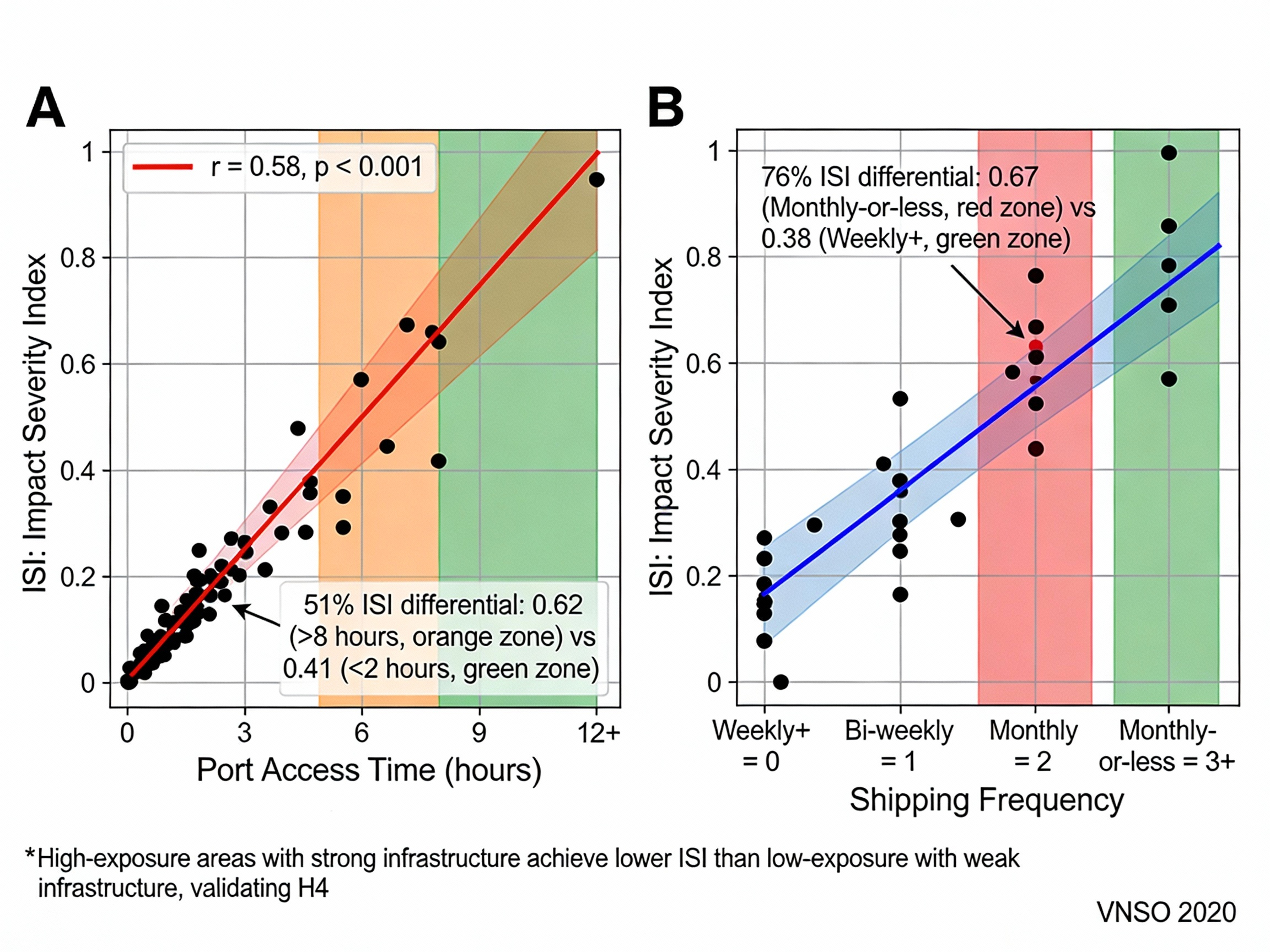
Figure 6 quantifies the relationships between infrastructure capacity indicators and impact severity across all area councils, demonstrating how port access and shipping frequency independently mediate food security outcomes.
3.4.1. Infrastructure moderation independent of exposure
Infrastructure-impact analysis demonstrates that distribution capacity moderates food security outcomes independent of cyclone exposure magnitude. Two key relationships emerge:
- Port access time: ISI versus port proximity shows strong relationship (r = 0.58, p < 0.001): area councils >8 hours travel time from nearest functioning port exhibit mean ISI 0.62, versus 0.41 for area councils <2 hours from port - a 51% differential in impact severity driven entirely by logistics capacity, not exposure differences.
- Shipping frequency: ISI versus inter-island shipping frequency demonstrates even stronger mediation: area councils receiving monthly-or-less maritime service average ISI 0.67 versus 0.38 for area councils with weekly+ service - a 76% differential. This massive spread reflects how infrequent shipping creates bottlenecks preventing emergency redistribution of food aid and market re-supply during post-cyclone recovery windows.
These infrastructure effects prove strongest in moderate-exposure contexts (HEI 0.3–0.5) where modest cyclone damage could translate to either brief disruption with rapid recovery (given adequate distribution capacity) or protracted months-long food insecurity (given infrastructure deficits). In extreme-exposure contexts (HEI > 0.7), infrastructure effects saturate as overwhelming physical damage and widespread system failure transcend the mitigating capacity of even excellent distribution networks.
3.5. Integrated spatial resilience gradient
The Food Security Resilience Index (FSRe) synthesizes exposure, impacts, and all mediating dimensions into a comprehensive provincial assessment, revealing dramatic heterogeneity that challenges uniform national vulnerability frameworks and enables spatially differentiated adaptation planning.
Table 3 presents the complete FSRe scores and component breakdowns for all six provinces, arranged from north to south, revealing distinct vulnerability profiles that demand differentiated policy responses.
Table 3 quantifies dramatic provincial heterogeneity in food system resilience (FSRe range: 46–61), revealing distinct vulnerability profiles that resist interpretation through a single-axis framework. Sanma emerges as the only province achieving buffered stronghold status (FSRe = 61), attaining this designation through balanced strength across all five dimensions — notably combining moderate exposure (reversed HEI = 0.48) with high infrastructure and circulation capacity (0.69) and strong agro-ecological buffering (0.71), positioning it as the natural hub for regional food redistribution under crisis conditions. At the opposite extreme, Tafea and Shefa both occupy the critical/fragile category (FSRe 46–47) but for structurally distinct reasons: Tafea's vulnerability is driven by extreme cyclone exposure (reversed HEI = 0.39) that overwhelms all buffering mechanisms, while Shefa's fragility originates in peri-urban agricultural specialization and population-driven demand concentration (reversed ISI = 0.38; agro-ecological buffering = 0.52 — the lowest nationally), creating single-point-of-failure risks despite its superior distribution infrastructure (0.78). Torba presents the clearest illustration of the hidden hotspot dynamic: its strong agro-ecological buffering (0.79 — highest nationally) and favorable exposure profile (0.72) are critically undermined by the weakest infrastructure and circulation capacity across all provinces (0.32), generating protracted food insecurity that exposure-only assessments would systematically fail to identify. Malampa and Penama occupy the moderate and elevated risk tiers respectively, with Malampa's more balanced capacity profile (all sub-indices between 0.46 and 0.68) contrasting with Penama's uniformly modest scores reflecting limited adaptive capacity across dimensions. Together, these profiles demonstrate that resilience is not a linear function of hazard exposure, and that targeted investments must be differentiated by the specific dimensional deficits driving vulnerability in each provincial context.
Figure 7 translates these FSRe scores into a spatially explicit map of Vanuatu, enabling visual identification of resilience gradients and vulnerability hotspots across the archipelago.
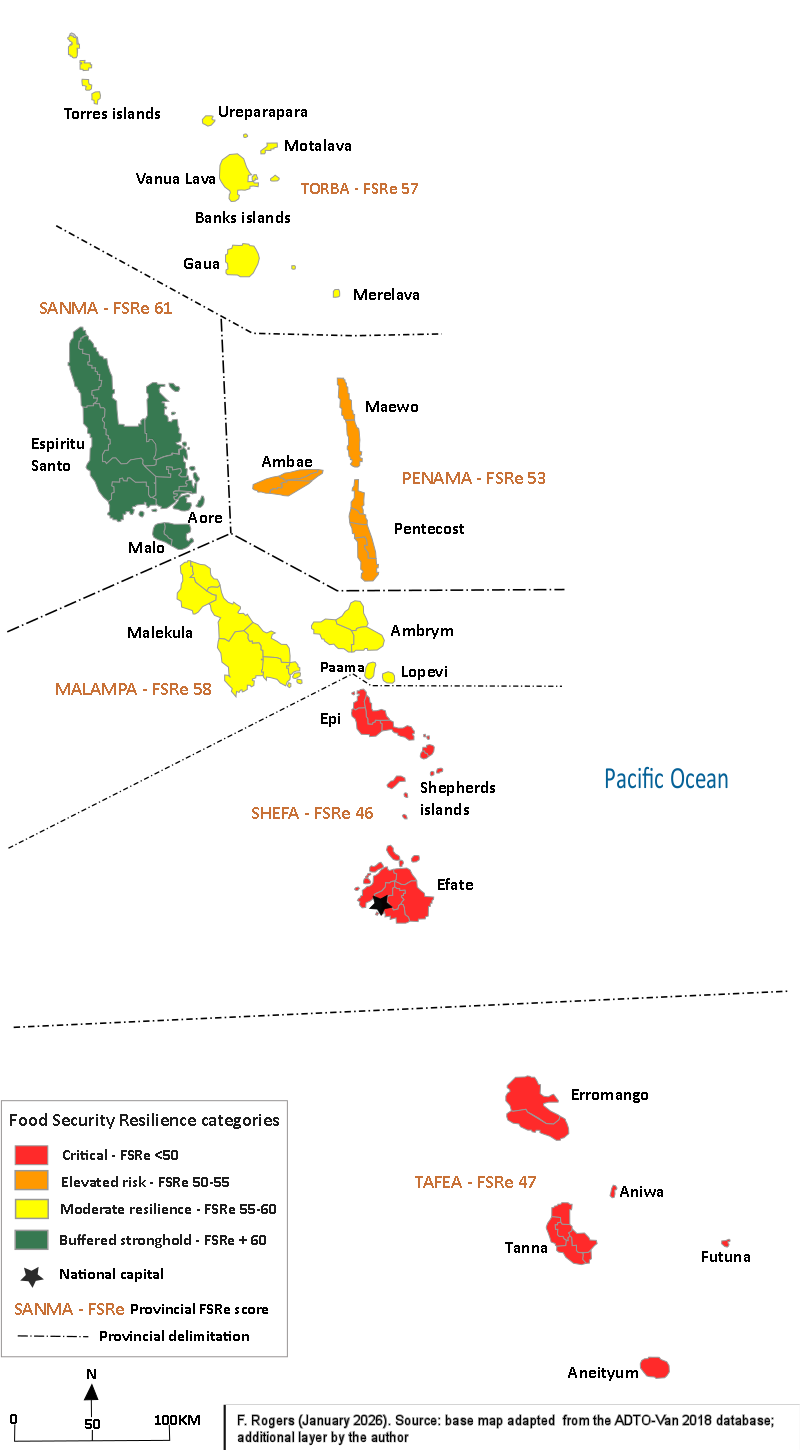
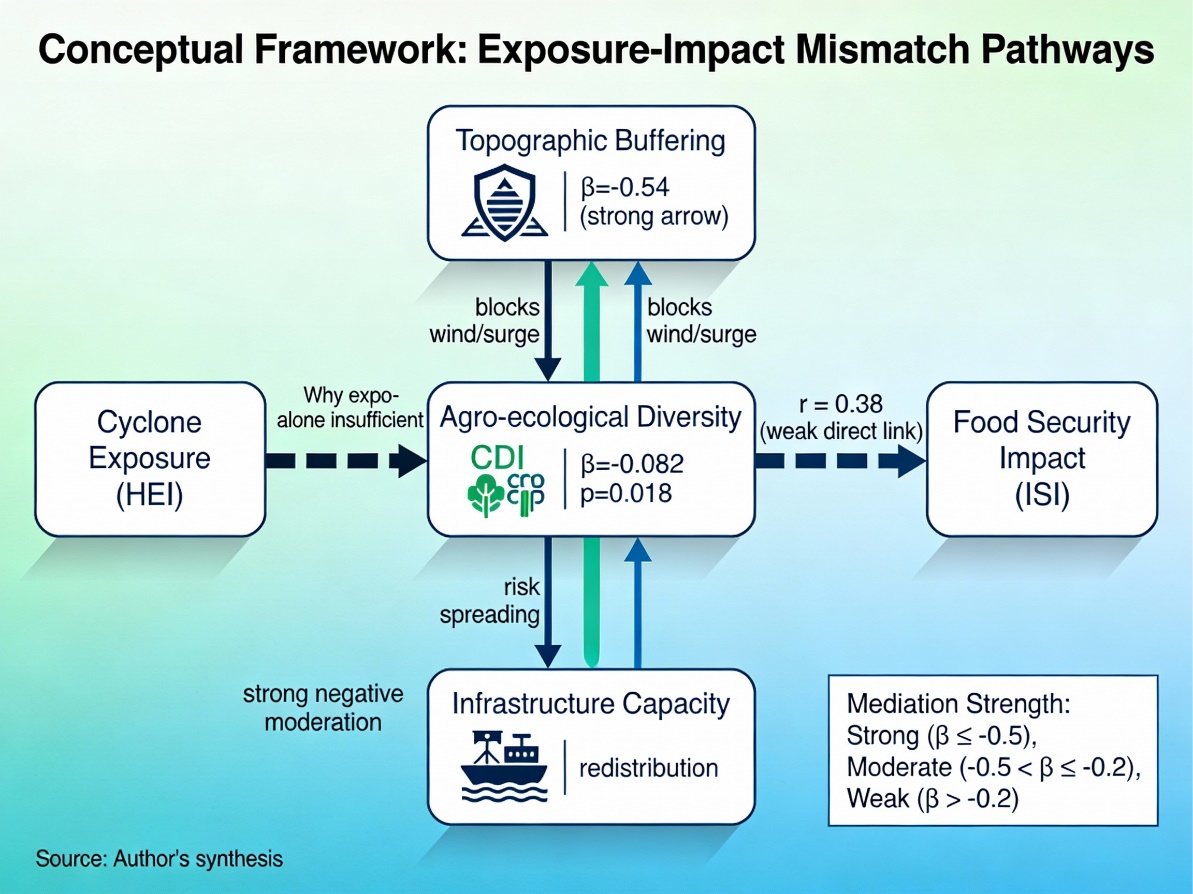
Figure 8 presents the conceptual framework synthesizing all findings, illustrating the mediating pathways through which topography, agro-ecology, and infrastructure moderate the weak direct exposure-impact relationship.
4. Discussion
4.1. Exposure-Impact Mismatches and Mediating Mechanisms
This study provides systematic empirical evidence that cyclone exposure patterns substantially diverge from realized food system impacts across Vanuatu's 71 area councils, fundamentally challenging the implicit assumption underlying most contemporary risk assessment frameworks that hazard exposure determines vulnerability outcomes. The documented 40–60% ISI reduction in high-elevation interior area councils at comparable cyclone exposure levels demonstrates that topographic buffering operates as a first-order mediator — not merely an additive control variable. The statistical interaction term (β_HEI×Elevation = −0.342, p < 0.001) confirms that elevation moderates the fundamental hazard-to-outcome relationship, meaning the effect of cyclone exposure on food security depends critically on topographic positioning rather than on wind intensity alone — a finding with profound implications for the spatial targeting of adaptation investments.
Three distinct mediating pathways operate in concert, each with characteristic strengths, capacity limits, and spatial distributions. First, topographic-coastal positioning creates micro-scale vulnerability gradients within individual islands. Cyclone Pam (2015) empirical evidence is instructive: 73% coastal vegetation devastation versus 21% interior highland impact occurring less than 15 kilometres apart despite identical sustained wind exposure exceeding 220 km/h. This dramatic differential reflects compound mechanisms including orographic wind reduction through terrain blocking, elimination of storm surge and saltwater intrusion impacts at elevation, and reduced infrastructure concentration density in highland areas that limits cascading systemic failures.
Second, agro-ecological configurations — encompassing crop species diversity, traditional multi-cropping systems, and agroforestry prevalence — buffer impacts effectively in medium-exposure contexts (HEI 0.3–0.6). Statistical evidence shows that each 0.1-unit CDI increase corresponds to a 0.08-unit ISI reduction and 12-day recovery acceleration. However, this protective capacity is overwhelmed entirely under extreme cyclone intensity (HEI > 0.7): Tafea province's moderate crop diversity (CDI = 1.94, near national mean) proves insufficient against overwhelming exposure (HEI = 0.82), yielding high impact severity (ISI = 0.76). This threshold effect validates theoretical predictions from resilience literature regarding system stability domains and catastrophic regime shifts when disturbance intensity exceeds adaptive capacity limits (Walker et al., 2004) [14].
Third, and most critically for policy intervention, infrastructure capacity emerges as the dominant determinant of food security outcomes in low-to-moderate exposure zones, where distribution network efficiency — rather than direct cyclone damage — drives recovery trajectories. The Torba case is particularly instructive: despite experiencing substantially lower direct cyclone impacts than infrastructure-advantaged provinces (ISI = 0.34 versus Shefa ISI = 0.61 and Tafea ISI = 0.76), Torba required a median 18 days to reach 50% of affected households compared to Shefa's 6-day response — a threefold differential driven entirely by maritime connectivity constraints (monthly versus weekly shipping frequency; >8 hours versus <2 hours port access time) rather than hazard exposure differences. Infrastructure effects prove strongest in moderate-exposure contexts (HEI 0.3–0.5) where modest cyclone damage could translate to either brief disruption with rapid recovery given adequate distribution capacity, or protracted months-long food insecurity given infrastructure deficits. This finding validates the hidden hotspots hypothesis (H4) and demonstrates why exposure-only metrics systematically misidentify priority locations for adaptation investment.
4.2. Theoretical Contributions and Framework Advancement
Theoretically, findings advance Socio-Ecological Systems (SES) frameworks by quantifying precisely how social (infrastructure, governance) and ecological (topography, biodiversity) components interact to produce emergent vulnerability patterns irreducible to either dimension analyzed independently. The weak HEI–ISI correlation (r = 0.38, R² = 0.14) provides empirical validation for conceptual arguments that vulnerability emerges from exposure-sensitivity-adaptive capacity interactions rather than from hazard characteristics alone, contributing quantitative evidence to disaster risk scholarship that distinguishes hazard, exposure, vulnerability, and resilience as analytically distinct concepts requiring separate measurement (UNDRR, 2024; European Commission JRC, 2024) [15, 16]. By demonstrating that mediating mechanisms can reduce ISI by 40–60% at comparable exposure levels through topographic buffering, or conversely amplify impacts by 76% through infrastructure deficits despite lower exposure, these results challenge hazard-deterministic paradigms that remain prevalent in operational risk assessment practice despite extensive theoretical critique.
The FSRe methodology operationalizes SES integration through weighted composite indexing, enabling systematic provincial comparison while maintaining conceptual clarity across four distinct resilience dimensions (hazard exposure, agricultural adaptive capacity, infrastructure and circulation, recovery speed). This measurement approach addresses persistent challenges in resilience operationalization by specifying explicit weights (30%–30%–25%–15%) derived from both statistical analysis (regression effect sizes informing relative importance) and expert judgment (VMGD Delphi elicitation), producing transparent and replicable assessment procedures transferable to comparable SIDS contexts. The derived four-category spatial typology — buffered strongholds, moderate resilience zones, elevated risk zones, and critical/fragile hotspots — translates complex multivariate vulnerability patterns into actionable decision-support guidance for adaptation planning under fiscal constraints, providing a methodological template applicable beyond Vanuatu.
4.3. Methodological Considerations and Limitations
Several methodological limitations warrant acknowledgment. First, ISI construction relies on post-disaster impact assessments with variable spatial coverage and temporal consistency across the five cyclone events analyzed. Tropical Cyclone Pam (2015) is the most comprehensively documented event — supported by Post-Disaster Needs Assessment, FSAC rapid assessments, and satellite damage analysis — while TC Harold (2020) and TC Judy-Kevin/Lola (2023) have more limited area council-level data granularity. This asymmetry may introduce measurement error biasing results toward better-documented events, and findings regarding multi-event patterns should be interpreted with this constraint in view. Second, provincial and area council spatial aggregation necessarily obscures substantial household-scale heterogeneity in vulnerability and coping capacity. Disaggregated household survey data would enable multi-level modelling explicitly partitioning variance across individual, community, and provincial scales — revealing within-area council dynamics that spatial averaging masks. Third, infrastructure indicators capture physical capacity dimensions (port facilities, road networks, vessel schedules) but do not measure social access dimensions — including gender, ethnicity, disability status, and informal social networks — that shape actual distribution outcomes independently of physical infrastructure availability. Fourth, the cross-sectional observational design precludes definitive causal inference despite statistical controls, interaction term testing, and sensitivity analysis. Longitudinal panel data tracking the same area councils through multiple cyclone events would strengthen causal claims regarding mediating mechanisms, though such data remain unavailable across most SIDS contexts given the resource constraints limiting comprehensive post-disaster monitoring systems.
4.4. Comparative SIDS Context and Transferability
While empirically grounded in Vanuatu's specific geographic, socio-economic, and institutional context, the core finding of systematic exposure-impact mismatches mediated by topography, agro-ecology, and infrastructure is theoretically expected to generalize to Pacific and Caribbean SIDS sharing key structural characteristics: high tropical cyclone frequency, mountainous volcanic topography generating elevation gradients, dispersed multi-island populations dependent on maritime connectivity, heavy reliance on climate-sensitive subsistence agriculture, and infrastructure constraints limiting inter-island food distribution. Structural equivalence across these dimensions suggests the FSRe framework is transferable as a methodological template, though parameterization — particularly index weights and category thresholds — would require context-specific calibration through local expert elicitation and empirical validation.
Critical contextual differences nonetheless affect direct transferability and require careful consideration. Caribbean SIDS generally exhibit stronger hurricane monitoring infrastructure and more developed inter-island trading networks, potentially attenuating the infrastructure hidden hotspot mechanism documented here. Conversely, atoll-based Pacific SIDS (Kiribati, Tuvalu, Marshall Islands) lacking topographic relief would be expected to show weaker topographic buffering effects, with infrastructure and agro-ecological dimensions assuming greater relative importance in FSRe specification. Indian Ocean SIDS (Comoros, Maldives) face analogous maritime connectivity constraints but operate within different governance and humanitarian response architectures affecting distribution performance. These contextual modulations underscore that the FSRe framework's principal transferable contribution is its methodological architecture — the explicit quantification of mediating pathways between hazard exposure and food system outcomes — rather than the specific parameter values derived for Vanuatu. Regional data standardization, advocated in Section 5.3, would enable the cross-SIDS replication studies necessary to establish whether the four-category typology and relative mediator weights identified here represent a generalizable vulnerability structure or a Vanuatu-specific configuration.
5. Conclusion and Recommendations
5.1. Conclusions
This study provides systematic empirical evidence that cyclone exposure and food system impacts diverge substantially across Vanuatu's 71 area councils, with topographic positioning, agro-ecological configuration, and infrastructure capacity collectively mediating 86% of impact variance undetected by hazard-centric frameworks. Three principal findings emerge.
First, topographic elevation operates as a first-order mediator: high-elevation interior area councils exhibit 40–60% lower impact severity than coastal equivalents at comparable cyclone exposure levels (β = −0.342, p < 0.001), confirming that terrain positioning fundamentally alters — rather than merely modifies — hazard-to-impact pathways. Second, crop diversity provides statistically significant buffering in medium-exposure contexts (HEI 0.3–0.6; β = −0.082, p = 0.018), reducing impact severity by up to 27% and accelerating recovery by 12 days per 0.1-unit CDI increase, but this adaptive capacity is overwhelmed entirely when cyclone loading exceeds the HEI > 0.7 threshold — consistent with resilience theory predictions regarding system stability domain boundaries. Third, and most critically for adaptation investment, infrastructure capacity generates "hidden hotspots" where modest hazard exposure intersects structural distribution constraints to produce protracted food insecurity: Torba province required a median 18 days to reach 50% of affected households compared to 6 days in Shefa, a threefold differential driven entirely by maritime connectivity deficits rather than cyclone damage magnitude.
The Food Security Resilience Index (FSRe; provincial range: 47–61 on a 0–100 scale) reveals dramatic provincial heterogeneity that resists interpretation through single-axis vulnerability frameworks. Sanma achieves buffered stronghold status (FSRe = 61) through balanced capacity across all dimensions, while Tafea and Shefa occupy the critical/fragile category (FSRe 47 and 46 respectively) for structurally distinct reasons — extreme exposure in the former, peri-urban agricultural specialization and demand concentration in the latter. Collectively, these findings demonstrate that exposure explains only 14% of food security impact variance (R² = 0.14), rendering hazard-centric approaches insufficient for adaptation resource allocation under SIDS fiscal constraints.
The spatial resilience gradient enables actionable, differentiated investment targeting across four provincial typologies:
- Critical hotspots (Tafea, high-exposure southern islands): Require comprehensive multi-dimensional intervention simultaneously addressing infrastructure connectivity, agricultural diversification, and emergency response capacity, as no single mechanism provides adequate buffering against extreme cyclone loading.
- Elevated and moderate risk zones (Shefa, Penama): Benefit from targeted crop diversity promotion, agroforestry expansion, and emergency stock pre-positioning that leverages existing infrastructure advantages to address agro-ecological deficits.
- Hidden vulnerability zones (Torba, remote outer islands): Demand urgent maritime connectivity improvements — increased shipping frequency, port hardening, distributed storage facilities — to address non-exposure drivers of food insecurity that conventional risk assessments systematically fail to identify.
- Buffered strongholds (Sanma, northern Malampa): Should be maintained and strategically strengthened as regional food security hubs capable of supporting rapid multi-island emergency redistribution during crisis events.
This differentiated approach maximizes adaptation effectiveness under SIDS fiscal constraints by matching interventions precisely to the specific dimensional deficits driving vulnerability in each provincial context, rather than applying resource-inefficient uniform national strategies.
5.2. Policy Priorities
The following six policy priorities translate study findings into actionable guidance for Vanuatu's national and provincial governments, regional organizations, and international development partners:
- Replace uniform national vulnerability assessments with spatial resilience mapping that integrates cyclone exposure, agricultural adaptive capacity, infrastructure connectivity, and demonstrated recovery performance using FSRe-type composite frameworks, enabling evidence-based spatial targeting of adaptation investments.
- Prioritize maritime infrastructure upgrades — including increased inter-island shipping frequency, port hardening against cyclone damage, and expanded vessel capacity — in remote provinces such as Torba, where hidden vulnerability driven by distribution constraints rather than direct hazard exposure demands dedicated non-exposure-based investment.
- Establish strategic pre-positioned food reserves in buffered stronghold provinces (Sanma, Malampa) at locations enabling rapid, weather-resilient multi-island deployment, reducing dependence on post-disaster emergency procurement during humanitarian response windows.
- Promote crop diversification in high-exposure provinces through agricultural extension services and cyclone-resilient seed programs prioritizing species and varietal diversity, recognizing that this buffering mechanism provides meaningful protection only below the HEI > 0.7 intensity threshold and must therefore be complemented by structural interventions in extreme-exposure contexts.
- Pre-position emergency food stocks in provinces with documented distribution delays — prioritizing Torba and Tafea based on TC Pam (2015) performance data — and institutionalize historical distribution performance metrics as a standard input into national contingency planning and early warning protocols.
- Integrate infrastructure capacity indicators into impact-based early warning systems, enabling pre-landfall forecasts that account for distribution network vulnerability alongside wind and storm surge projections, thereby improving the precision and provincial differentiation of pre-emptive humanitarian mobilization.
5.3. Research Priorities
Five research priorities are identified to advance the vulnerability-explicit framework developed here and extend its applicability across comparable SIDS contexts:
- Longitudinal panel studies tracking the same area councils through multiple cyclone events are required to establish causal inference regarding mediator pathways, moving beyond the cross-sectional design of the present study and enabling assessment of how recovery trajectories interact with subsequent exposure events.
- Household-scale multilevel modelling incorporating disaggregated survey data would partition vulnerability variance across individual, community, and provincial scales, revealing the within-area council heterogeneity that spatial aggregation necessarily masks — particularly regarding gender, disability, and asset poverty as dimensions shaping differential access to post-disaster food distribution.
- Methodological replication across Pacific and Caribbean SIDS using standardized HEI, ISI, and FSRe metrics would enable systematic cross-archipelago comparison, identifying whether the mediating mechanisms documented in Vanuatu — topographic buffering, agro-ecological thresholds, infrastructure hidden hotspots — operate consistently across diverse SIDS geographies or require context-specific parameterization.
- Climate projection integration assessing how changing cyclone frequency, intensity, and track distribution under representative concentration pathways (RCP 4.5, 8.5) alters the relative importance of each mediating mechanism, and whether FSRe-based typologies remain stable or require recalibration under future cyclone climatologies.
- Governance and social access analysis examining how institutional arrangements, tenure security, customary land rights, and social capital dimensions mediate the relationship between physical infrastructure capacity and actual household food access during post-cyclone recovery — dimensions not captured by physical infrastructure indicators alone.
Regional organizations including the Pacific Community (SPC) [17], CARICOM, and the Indian Ocean Commission (IOC) should prioritize standardization of agricultural production, infrastructure capacity, and post-disaster impact data collection protocols across member states, enabling the systematic SIDS comparison that the present study demonstrates is both methodologically feasible and policy-critical. International climate finance mechanisms — including the Green Climate Fund and Adaptation Fund — should incentivize spatially explicit vulnerability evidence as a prerequisite for adaptation investment proposals, rewarding comprehensive mediator analysis over simple hazard mapping in resource allocation decisions.
References
- Food and Agriculture Organization. (2022). The impact of disasters on agriculture and food security 2021. FAO. https://doi.org/10.4060/cb3673en[CrossRef]
- Dey, S., Dash, J., & Kumar, S. (2022). Climate shocks and food security: Evidence from small island developing states. Climate and Development, 14(8), 723–738. https://doi.org/10.1080/17565529.2021.1990923
- Campbell, J. R., Goldsmith, M., & Koshy, K. (2021). Community relocation as an option for adaptation to the effects of climate change and climate variability in Pacific Island countries. Asia Pacific Viewpoint, 62(1), 7–28. https://doi.org/10.1111/apv.12284[CrossRef]
- International Fund for Agricultural Development. (2025). Rural infrastructure and food systems resilience in Small Island Developing States (IFAD Research Series No. 85). IFAD.
- NOAA National Centers for Environmental Information. (2024). International Best Track Archive for Climate Stewardship (IBTrACS) Project (Version 4) [Dataset]. NOAA. https://doi.org/10.25921/82ty-9e16
- Vanuatu Meteorology and Geo-Hazards Department. (2023). Vanuatu climate change and disaster risk reduction policy 2023–2030. Government of Vanuatu.
- Food Security and Agriculture Cluster. (2015). Vanuatu: Tropical Cyclone Pam — Rapid food security and agriculture assessment. FAO/WFP.
- National Disaster Management Office. (2020). Tropical Cyclone Harold: Situation reports and impact assessment. Government of Vanuatu.
- Vanuatu Meteorology and Geo-Hazards Department. (2015). Tropical Cyclone Pam: Track analysis and impact report. Government of Vanuatu.
- Food Security and Agriculture Cluster. (2020). Vanuatu: Tropical Cyclone Harold — Food security and agriculture rapid assessment. FAO/WFP.
- Sardos, J., McKey, D., Duval, M. F., Malapa, R., Noyer, J. L., & Lebot, V. (2015). Evolution of cassava (Manihot esculenta Crantz) after recent introduction into a South Pacific Island system. Genome, 51(11), 912–921. https://doi.org/10.1139/G08-072[CrossRef] [PubMed]
- Vanuatu National Statistics Office. (2020). 2020 National population and housing census: Main report. Government of Vanuatu.
- Food Security and Agriculture Cluster. (2023). Vanuatu: Tropical Cyclones Judy, Kevin, and Lola — Food security and agriculture rapid assessment. FAO/WFP.
- Walker, B., Holling, C. S., Carpenter, S. R., & Kinzig, A. (2004). Resilience, adaptability and transformability in social-ecological systems. Ecology and Society, 9(2), Article 5. https://doi.org/10.5751/ES-00650-090205[CrossRef]
- United Nations Office for Disaster Risk Reduction. (2024). Global assessment report on disaster risk reduction 2024: Our world at risk. UNDRR. https://www.undrr.org/gar2024
- European Commission, Joint Research Centre. (2024). INFORM risk index: Global crisis severity assessment. Publications Office of the European Union. https://doi.org/10.2760/09456
- Secretariat of the Pacific Community. (2020). Pacific agriculture and forestry policy network: Regional food security framework. Pacific Community.